Bespoke Joinery Design: 7 Things to Consider

When homeowners think about bespoke joinery, the first things that usually come to mind are colours, materials and the overall appearance. And while these are important, there’s much more to a successful piece of fitted furniture than how it looks.

Over the years, I’ve found that the smallest practical decisions can make the biggest difference to how well bespoke furniture works in everyday life.

Here are seven things I believe are worth considering before approving your final design.
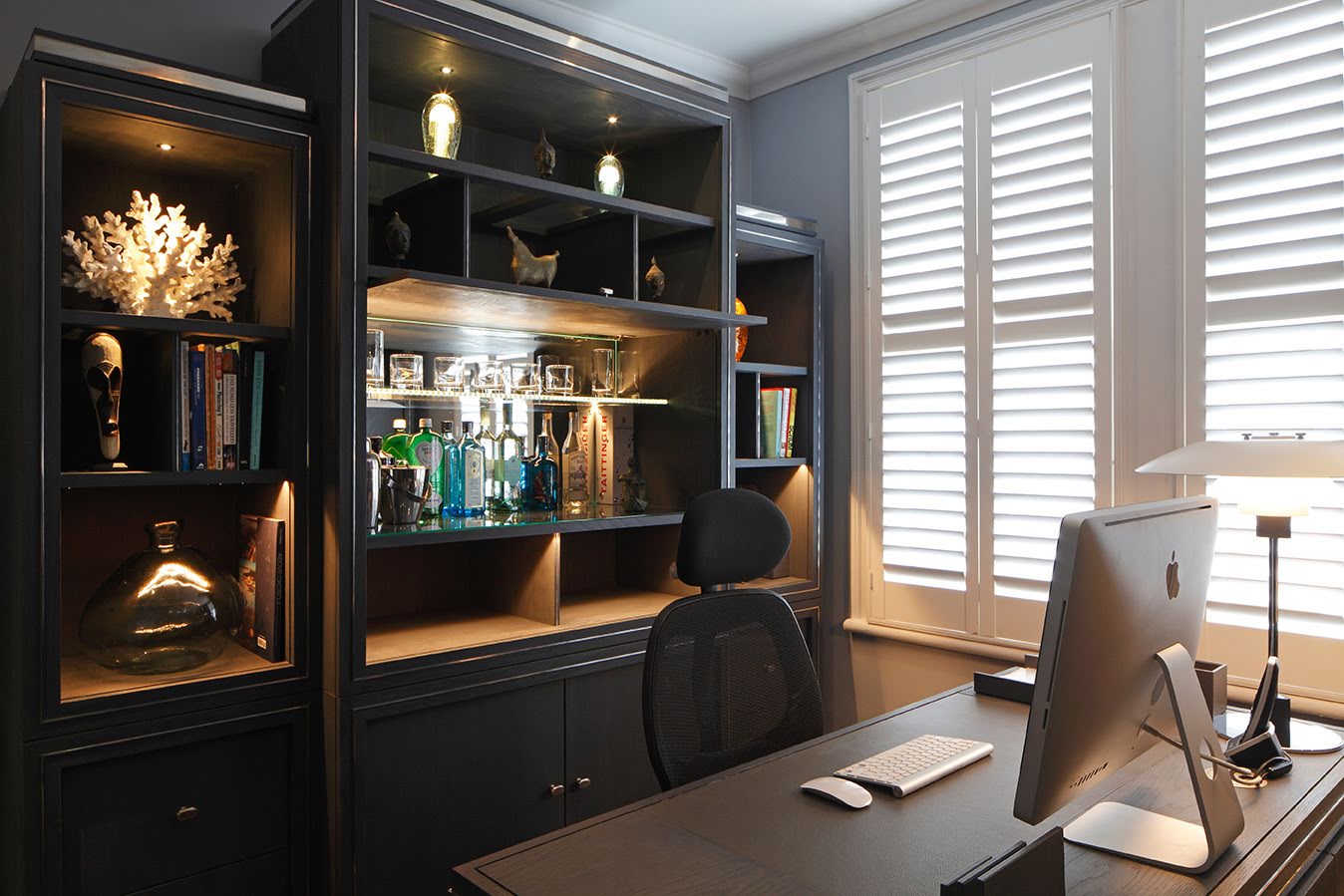
Bespoke home office with integrated bar, display shelving and fitted cabinetry

1. Think about what you’re actually storing

A beautifully designed wardrobe isn’t much use if you haven’t allowed enough space for longer coats, shoes or drawers.

The same applies to bookcases, home offices and media units.

Before designing the furniture, think about what needs to go inside it and how frequently you’ll need access.

2. Choose materials for their purpose

Not every part of a bespoke unit needs to be made from the same material.

Painted MDF, veneered boards, plywood and solid timber all have their advantages.

The right choice depends on the finish you’re looking for, where the furniture will be installed and how it will be used.

Sometimes combining materials offers a better balance between appearance, durability and cost.

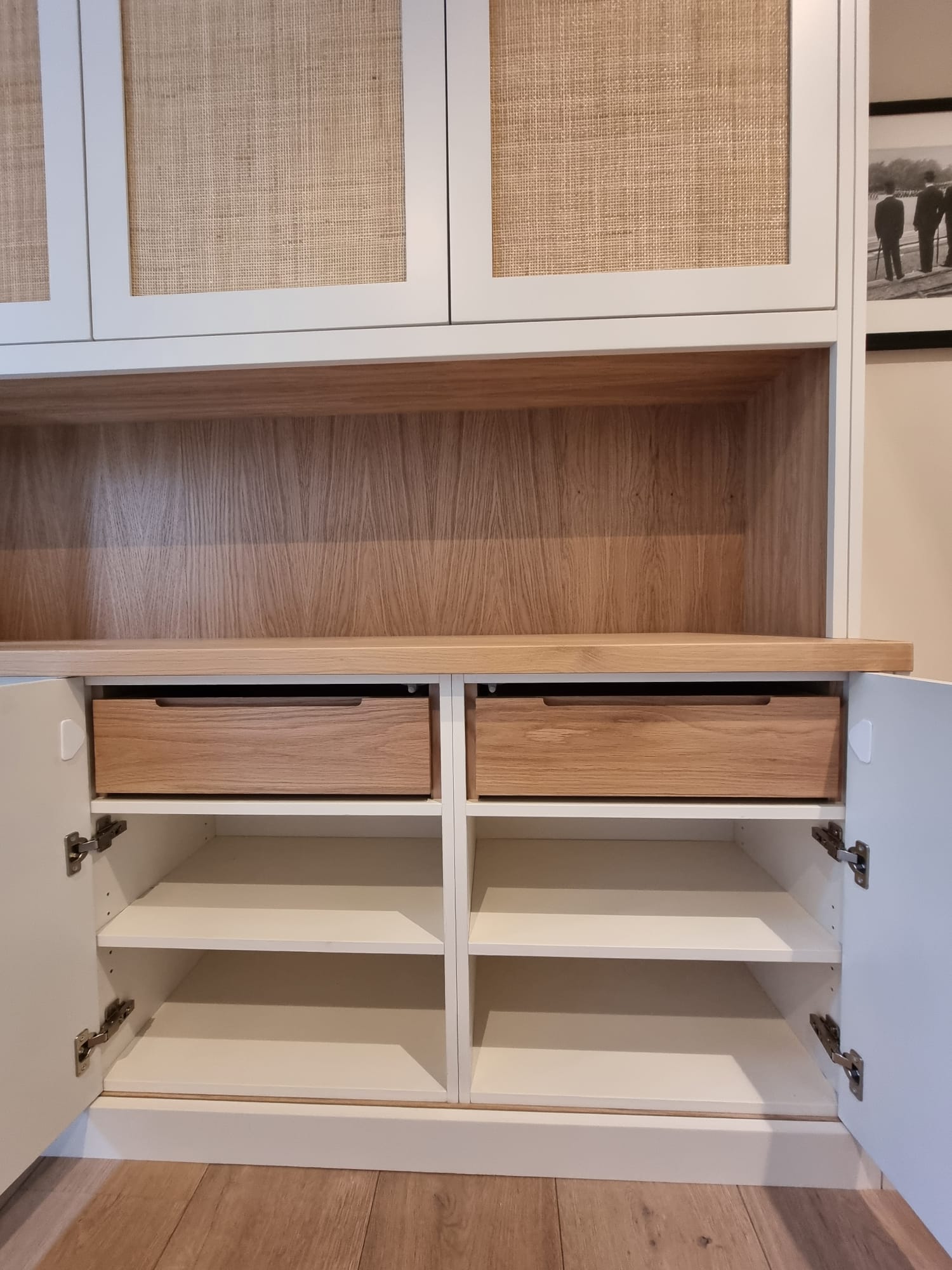
Interior of bespoke fitted storage unit with oak drawers and rattan cabinet doors
Bespoke pull-out under-stairs storage unit with fitted shelving

3. Don’t underestimate the hardware

Hinges and drawer runners might not be the most exciting part of the design, but they’re among the components you’ll use most often.

Large drawers and pull-out shelves need suitable runners, particularly when carrying heavy items.

I always recommend considering the weight, accessibility and movement of these components before manufacturing begins.

Interested in Bespoke Joinery?

Let's explore how bespoke joinery could work in your home.

4. Plan lighting and electrics early

Integrated lighting can completely transform a bookcase, wardrobe or display cabinet.

However, it also requires careful consideration of wiring, drivers, switches and future access for maintenance.

When bespoke joinery forms part of a larger refurbishment, we can coordinate these elements with our electricians before the furniture is installed.

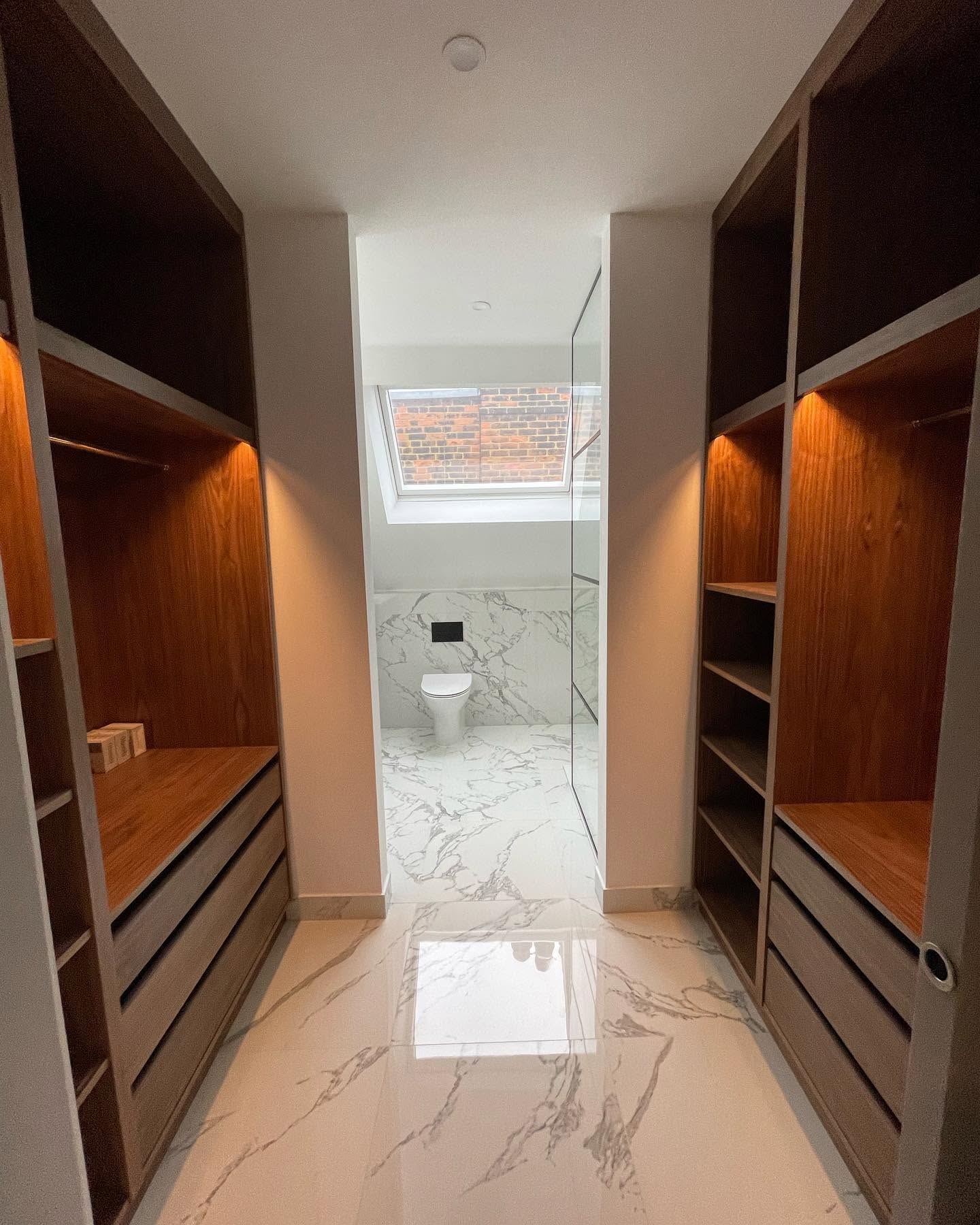
Made-to-measure walk-in wardrobe with fitted storage and oak cabinetry
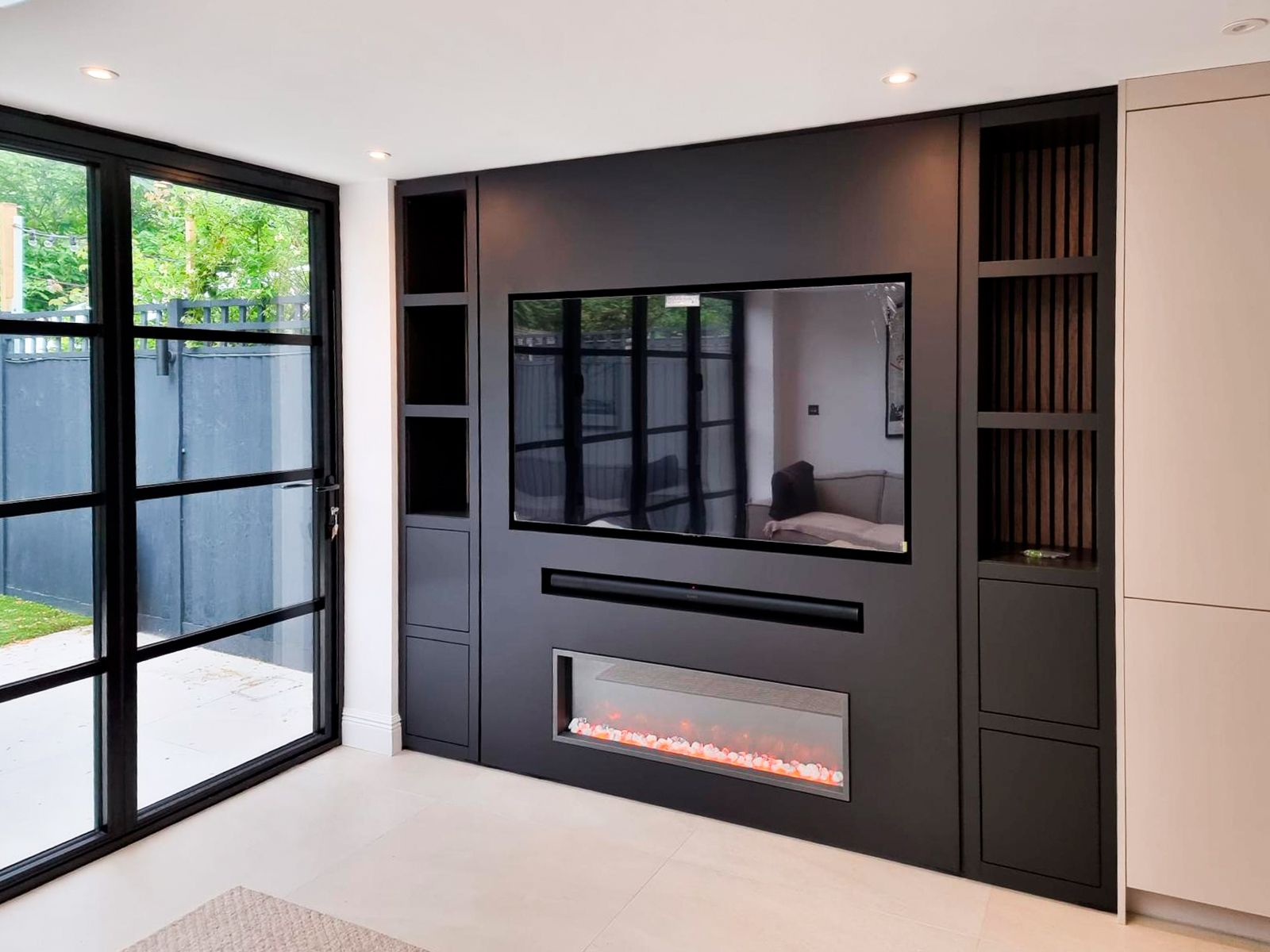
Bespoke built-in TV media unit with shelving and integrated electric fireplace

5. Allow equipment to breathe

This is particularly important with media cabinets and furniture incorporating electronic equipment.

Amplifiers, gaming consoles, routers and some appliances generate heat. Enclosing them in tightly fitted cabinets without adequate ventilation can create problems.

Depending on the equipment, a combination of ventilation openings and mechanical extraction may be necessary.

6. Remember that houses are rarely perfectly straight

Anyone who has worked on London’s period properties knows that walls, floors and ceilings aren’t always perfectly level or square.

Good bespoke joinery needs to account for these irregularities.

Final site measurements, suitable allowances and carefully planned finishing details help ensure furniture fits naturally into the surrounding room.

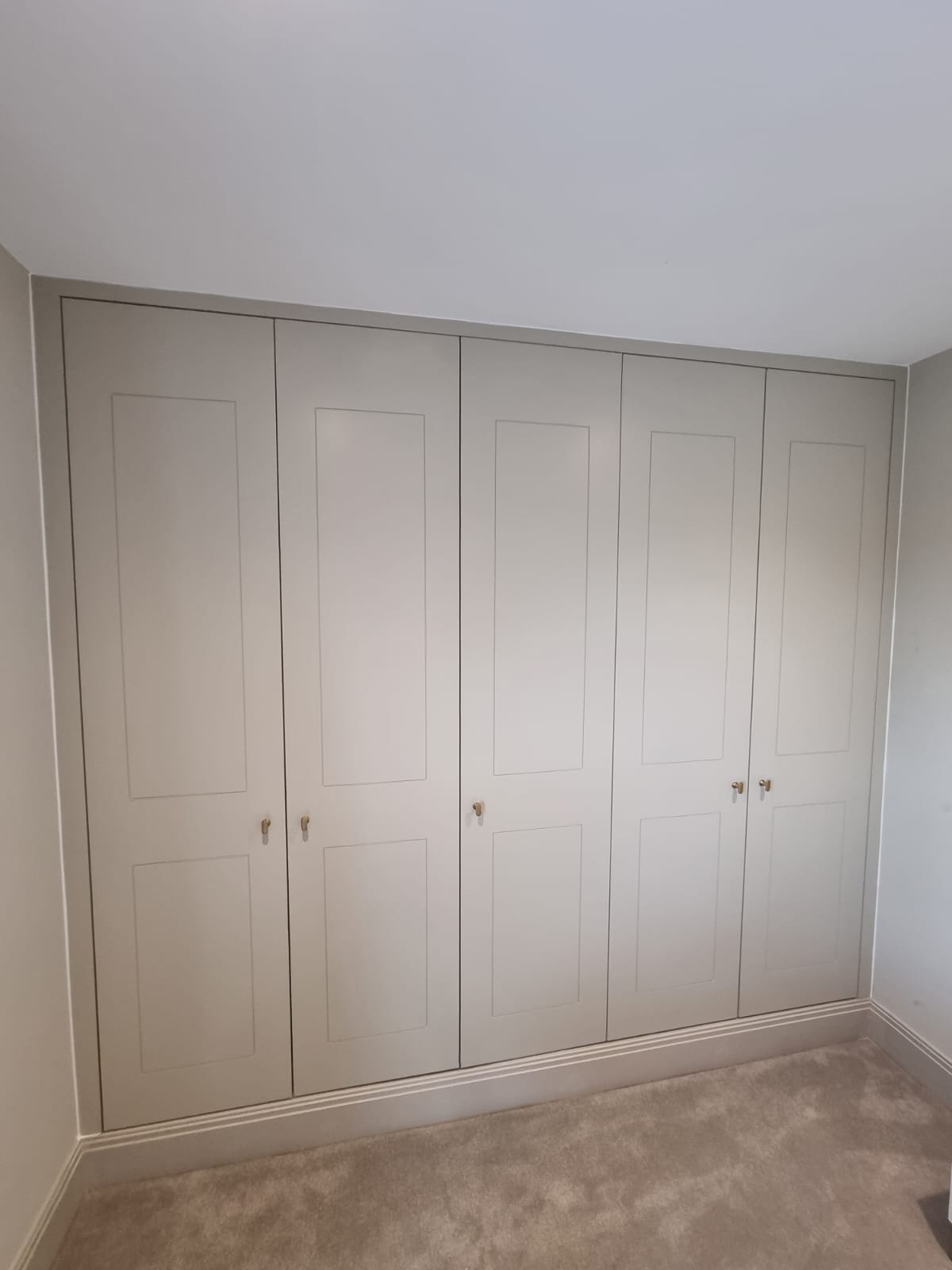
Bespoke fitted wardrobes with panelled doors in a London bedroom
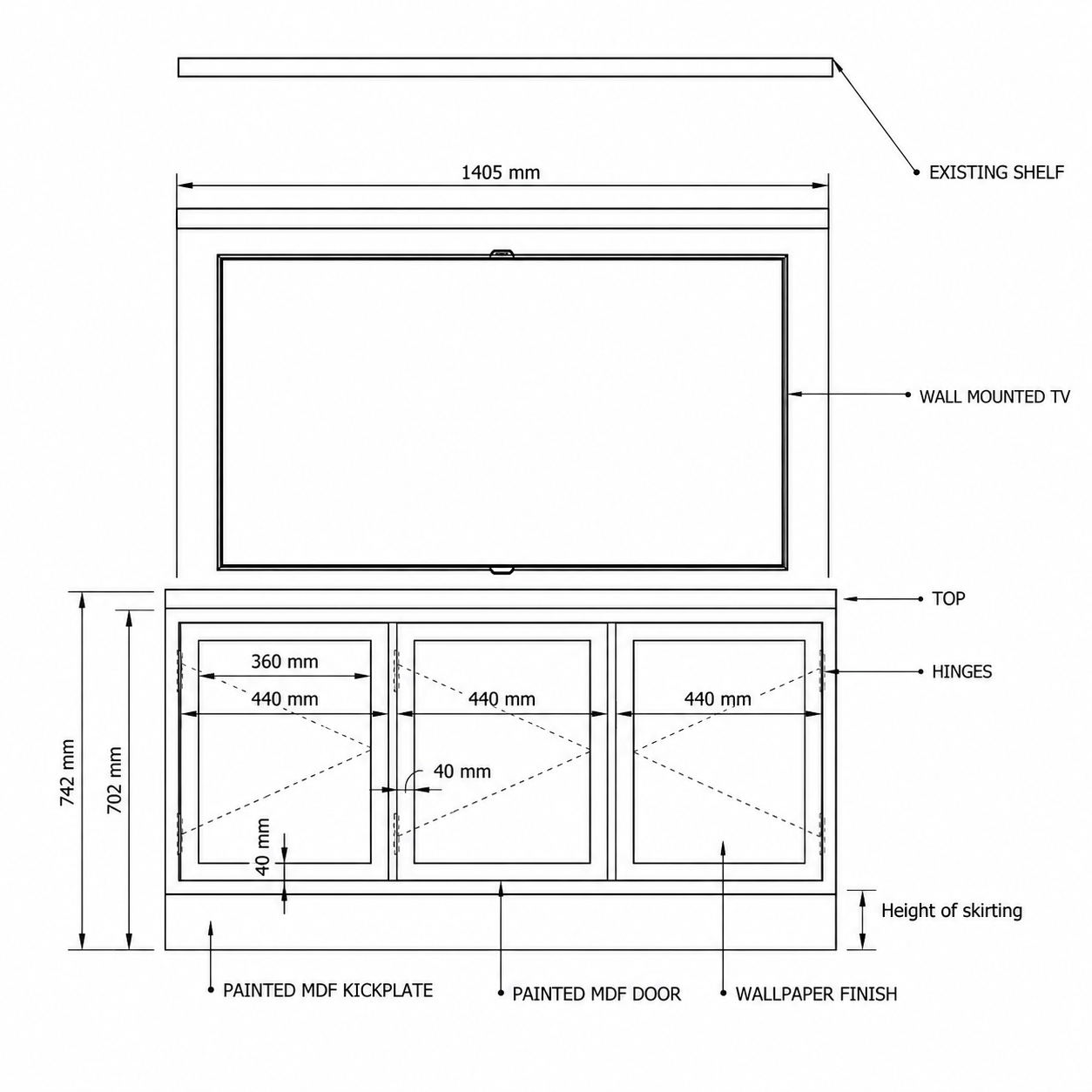
Technical drawing for bespoke TV cabinet with three fitted doors

7. Review the drawings carefully

Before approving the final design, take time to review more than just the external appearance.

Check internal dimensions, door openings, drawer heights, shelf arrangements and access to electrical equipment.

Making adjustments on paper is considerably easier than changing something once manufacturing has started.

Final thoughts

For me, successful bespoke joinery is about achieving the right balance between appearance, practicality and long-term reliability.

A beautifully finished cabinet should also be easy to use, maintain and enjoy for many years.

At Kluk Construction, we approach bespoke joinery with the same attention to practical details that we apply to our wider refurbishment projects. By considering the furniture alongside the room itself, we can help ensure everything works together.

If you’re at the beginning of your project, you may also find my earlier article:

Bespoke Joinery Made Simple: A Homeowner’s Guide

Marcin Kluk

author avatar
Marcin Kluk Founder & Director
Marcin Kluk is the founder of Kluk Construction, specialising in full house refurbishments, home renovations, extensions, and residential construction projects across South West London. With over 15 years of experience in the UK construction industry, he is known for quality craftsmanship, reliable project management, and attention to detail.