Behind Every Bathroom: The KLUK Building Philosophy

Kluk Workshop — Edition 01

The Kluk Workshop is where Marcin Kluk shares what fifteen years of renovating homes across South West London has taught him. Published for homeowners who want to look beyond the showroom — understanding the decisions, the preparation, and the hidden work that determines whether a renovation truly performs.


Why Most Bathrooms Fail Before the Tiles Do

I’ve been inside a lot of bathrooms.

Over fifteen years renovating homes across South West London — Victorian terraces in Putney, Edwardian houses in Fulham, mansion flats in Chelsea — I’ve seen bathrooms that look stunning on completion day and fall apart within three years. Loose tiles. Damp creeping through walls. Grout cracking along every joint.

And I’ve seen bathrooms that were never going to win a design award, but have performed flawlessly for fifteen years without a single problem.

The difference is almost never the tiles. It’s almost never the brassware, the lighting, or the colour scheme. It’s everything hidden behind them.

That’s what this series is about.

The Kluk Workshop isn’t a trends guide. I’m not going to tell you what colours are fashionable in Fulham this year or which shower brand is popular in Chelsea. What I want to share is the construction knowledge we’ve built up over more than a decade — the decisions that most homeowners never see, but that determine whether your bathroom still performs beautifully in 2040.

This first edition covers bathrooms from the ground up: what we inspect, what we correct, how we build the foundation, and why the hidden work matters more than anything you’ll find in a showroom.

Every project is different. Every budget has its limits. Not every bathroom needs to be rebuilt from scratch. But every homeowner deserves to understand what they’re paying for — and what they’re not.

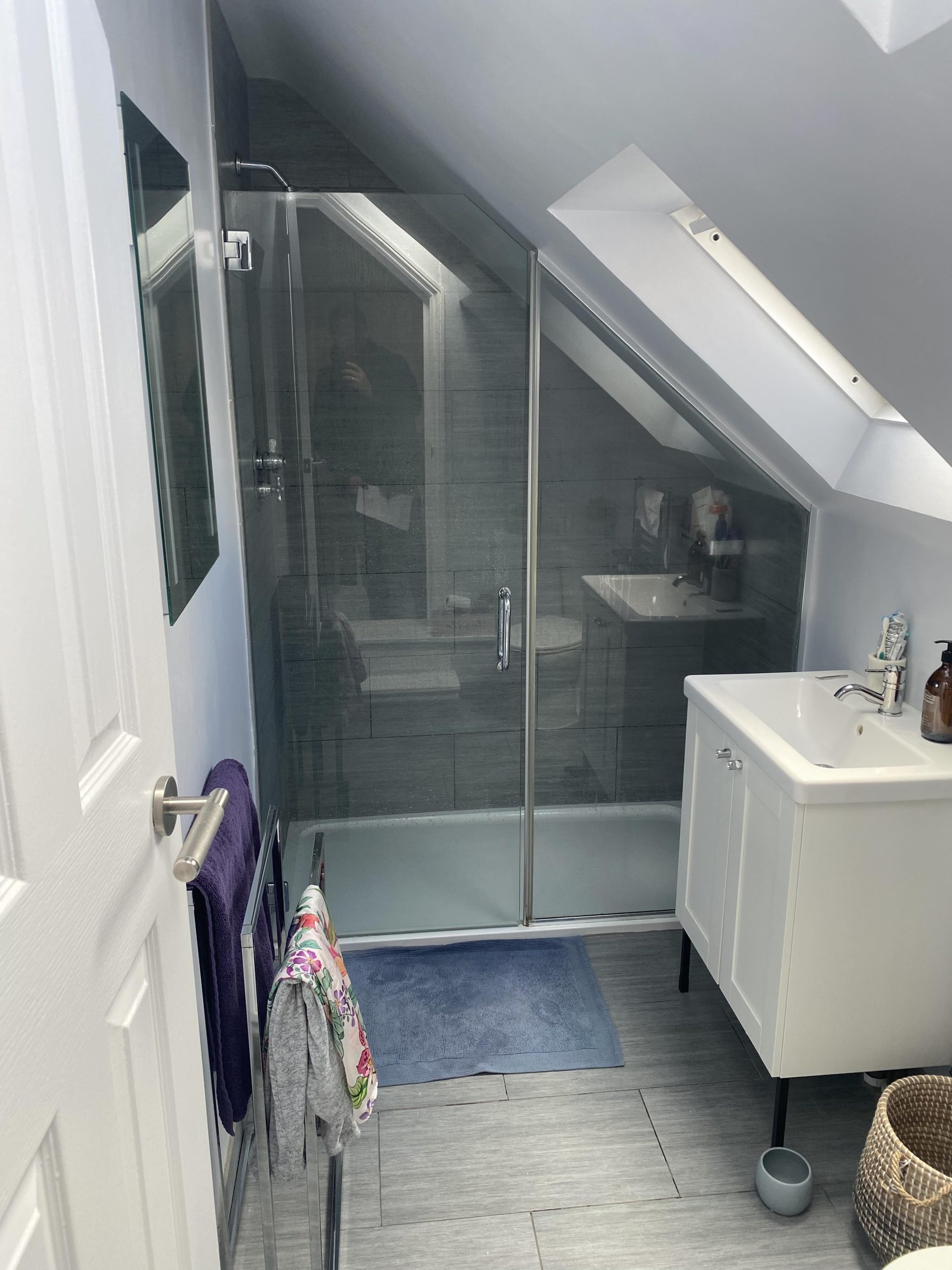
Existing loft bathroom before refurbishment with sloped ceiling, shower enclosure, and outdated layout ready for renovation.

What you will find

In this guide, we’ll cover:

  1. Start With an Honest Inspection
  2. Strip Back to a Clean Canvas
  3. Correct What’s Hidden — This Is Where It Really Matters
  4. Build the Backbone
  5. Finish With Precision
  6. Check Everything Before Handover
  7. How to Tell If a Bathroom Has Been Built Well
  8. The KLUK Building Philosophy
  9. A Final Word From Marcin
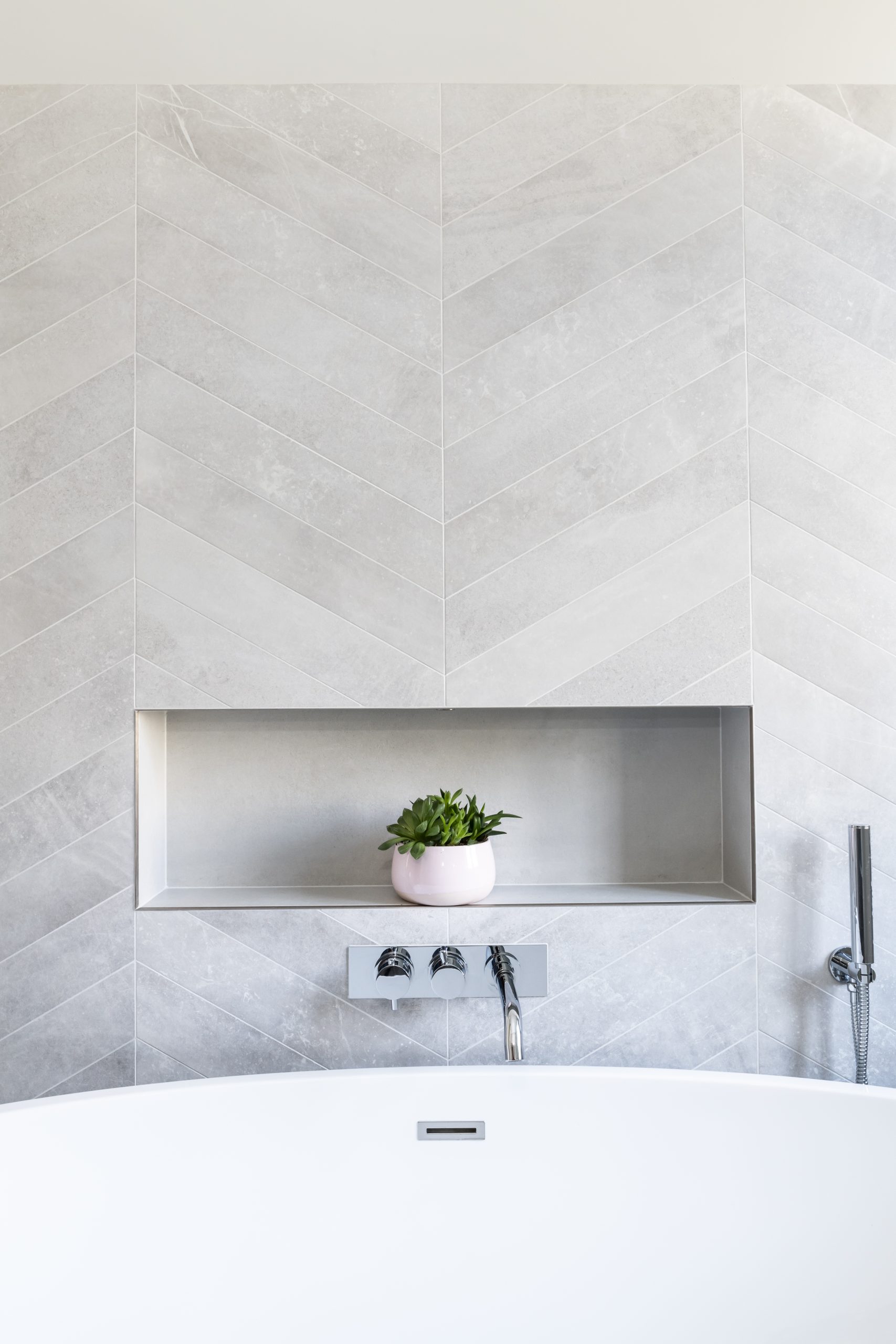
Freestanding bath with recessed wall niche, chevron porcelain tiles, and concealed chrome bath filler.

Start With an Honest Inspection

Most homes across South West London were never designed for modern bathrooms.

A Victorian terrace in Wandsworth was built before central heating existed. An Edwardian house in Putney has had four or five different owners, each leaving their own layer of alterations. A 1970s conversion in Battersea might have plumbing that’s been extended and re-routed so many times nobody quite knows what’s behind the walls.

We never assume anything.

Floors may not be level. Walls may not be straight. Previous plumbing may not meet current standards. Hidden damp can sit undetected for decades. Before any decisions are made, we need to understand the true condition of the room — not the condition it appears to be in.

Our philosophy is simple: prepare for the worst and be pleasantly surprised, rather than assume everything is fine and discover problems halfway through a tiled wall.

Strip Back to a Clean Canvas

Once the inspection is done, we remove everything back to a point where the room can be properly assessed and rebuilt.

This isn’t about destroying what’s there. Some existing elements are perfectly fine to retain — and we’ll tell you when that’s the case. But keeping old finishes simply because they appear to be in good condition is one of the most common mistakes in bathroom renovation. Hidden defects only become apparent later, usually once the new tiles are on the wall.

Every decision at this stage should be based on evidence, not optimism.

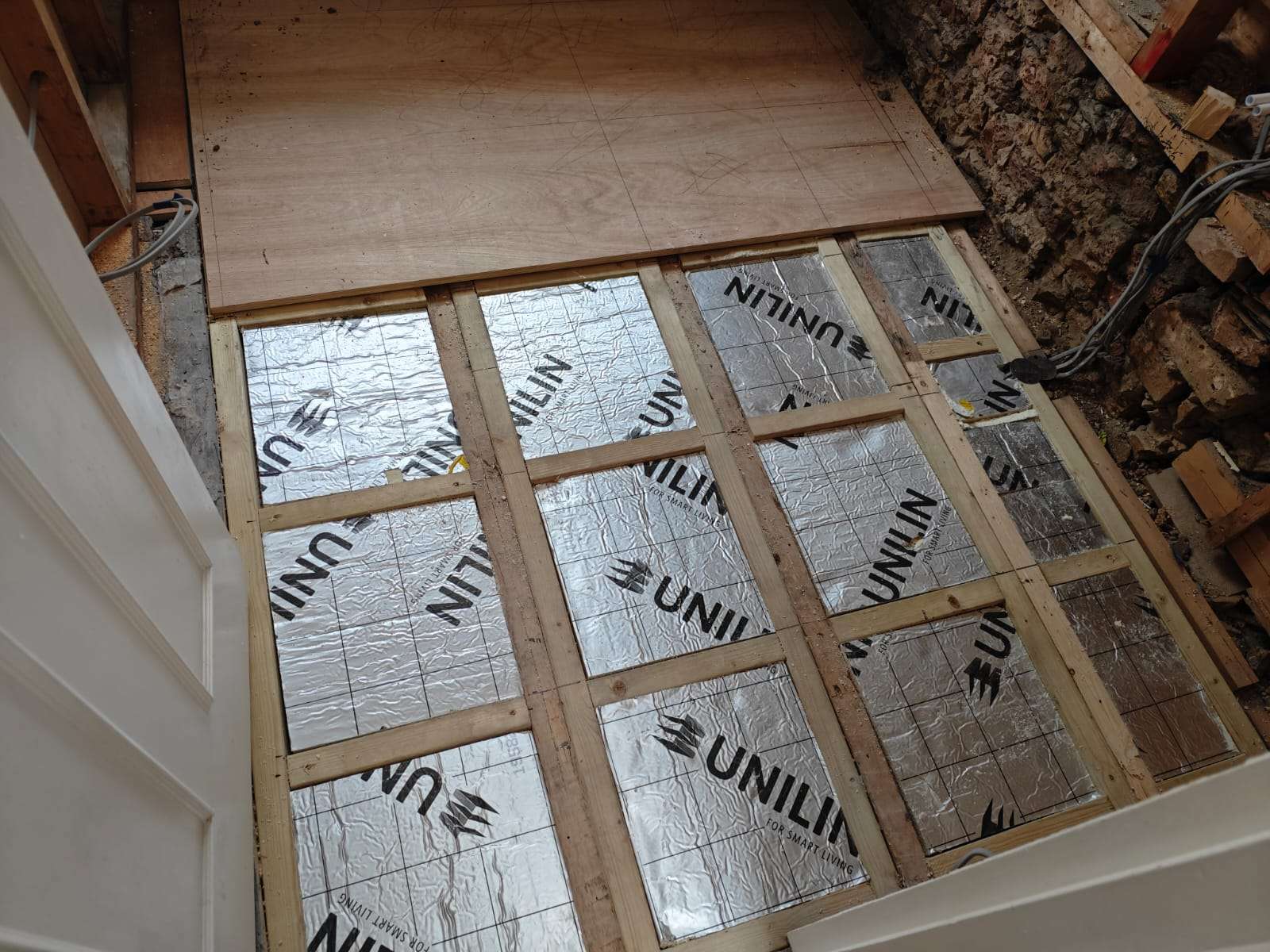
Bathroom floor preparation with insulated timber joists and structural subfloor before waterproofing and tiling.

Correct What's Hidden — This Is Where It Really Matters

In my experience, this is the stage that has the greatest influence on the finished bathroom. It’s also where the most significant decisions are made — and where the most money can be saved or wasted. Decision-making under pressure is something we explore in depth in Do You Want To Build an Extension — Or Manage One?

Correcting hidden problems often means more labour, more materials and a higher initial investment. For some clients, that isn’t always the right choice, and that’s perfectly understandable. Not every project requires the same standard. Not every budget allows it.

But I’ll be honest about my own belief.

My grandfather used to say: “We’re too poor to buy cheap.” He meant that investing in quality, looking after it properly and making it last was always better value than replacing something twice because it was built to the lowest possible standard.

That philosophy has stayed with me throughout my career. I’d rather correct a problem today than tile over it and leave it for someone else to find in three years’ time. And in my experience, so would most homeowners — once they understand what they’re actually deciding.

Build the Backbone

At Kluk Construction, we call this the backbone stage — and in our view, it’s the most important part of any bathroom renovation. Once the backbone is complete, the room is ready to receive its finishes with confidence that everything behind them has been built properly.

A complete bathroom backbone covers:

A solid, level subfloor. Structurally sound, level, and appropriate for the chosen floor finish — with insulation, the correct overlay system and a decoupling membrane where needed to manage natural movement and protect the tiled surface above.

Straight, plumb walls. Any imperfection left at this stage will show in the finished bathroom. Tiles don’t hide problems — they amplify them.

A properly prepared ceiling. Particularly important where tiles run to ceiling height, or where older properties have ceiling structures that benefit from inspection and upgrading.

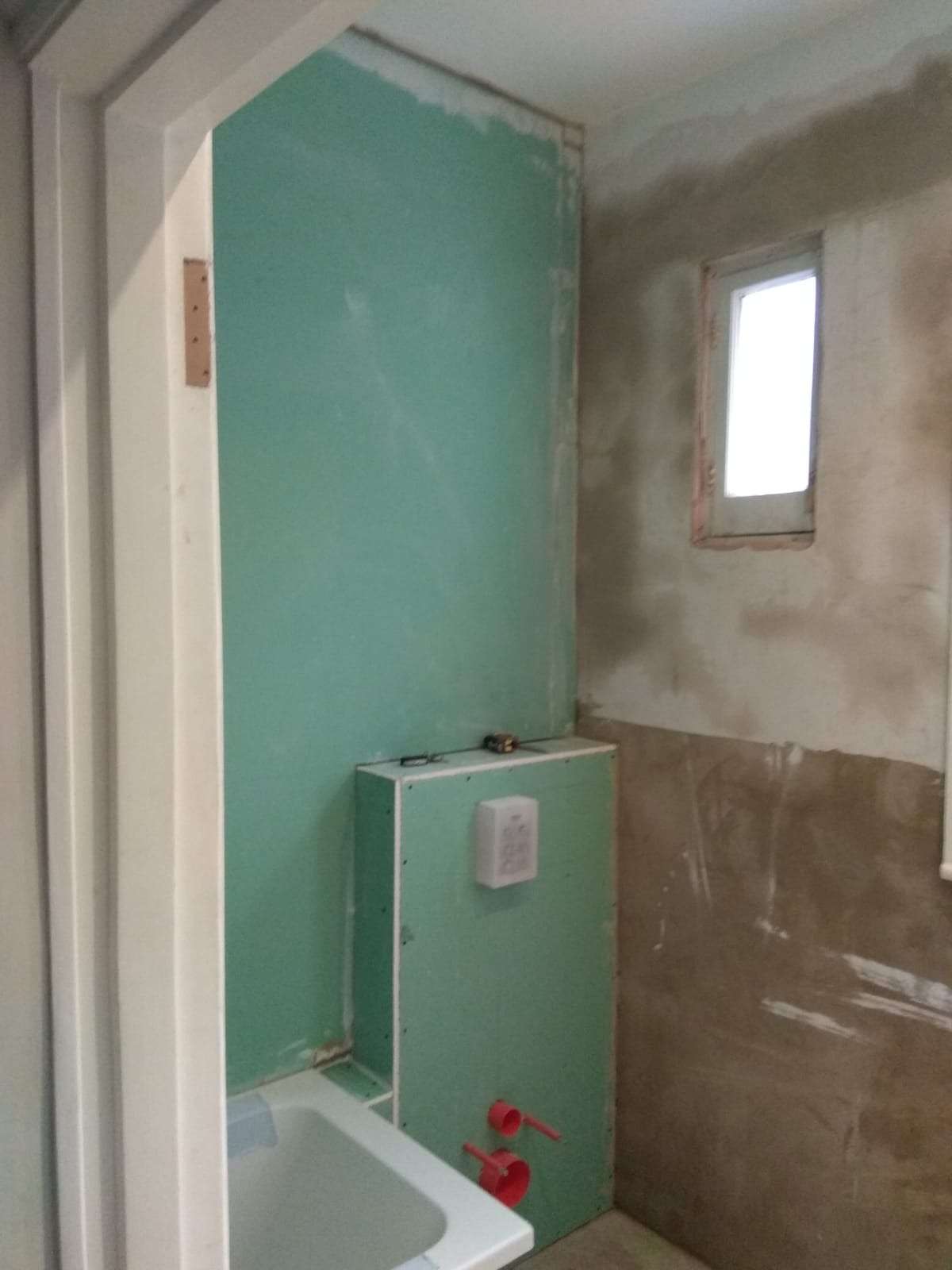
Modern services, planned properly. Plumbing and electrical systems completed before the room is closed — not retrofitted afterwards. Pipework correctly sized and positioned, water pressure confirmed for the chosen specification, lighting planned in advance.

Effective ventilation. Every bathroom needs a ventilation strategy that extracts moisture directly outside the building. This is one of the most consistently underspecified elements in residential bathrooms, and one of the most important for long-term performance.

Waterproofing done properly. Applied only after the room has been fully prepared — not as a quick layer over a questionable substrate. The system should suit the property’s construction and include appropriate flexible detailing at movement joints.

This is the stage where the future performance of a bathroom is decided. Once the backbone is right, every visible finish becomes an enhancement — not a disguise.

You can see this approach in practice in our Fulham Marble En-suite Bathroom project.”

Bathroom under construction with moisture-resistant plasterboard, concealed cistern, and walls prepared before waterproofing and tiling.

Call us now

For a free quotation

Finish With Precision

With the backbone complete, the focus shifts from construction to craftsmanship. The room is ready for its finishes — but that doesn’t reduce the level of care required. If anything, it demands more.

Every tile, grout line and fitting contributes to the result. This is where patience and attention to detail make the difference between a bathroom that is simply installed and one that is beautifully finished.

I’ll also say this: not every product that arrives on site is perfect. Manufacturing tolerances, minor defects and unexpected issues can happen with any supplier — even good ones. Our approach is to discuss these openly, explain the options and agree on the best course of action together. We don’t try to hide problems. We’d rather have an honest conversation at the right moment than an awkward one after handover.

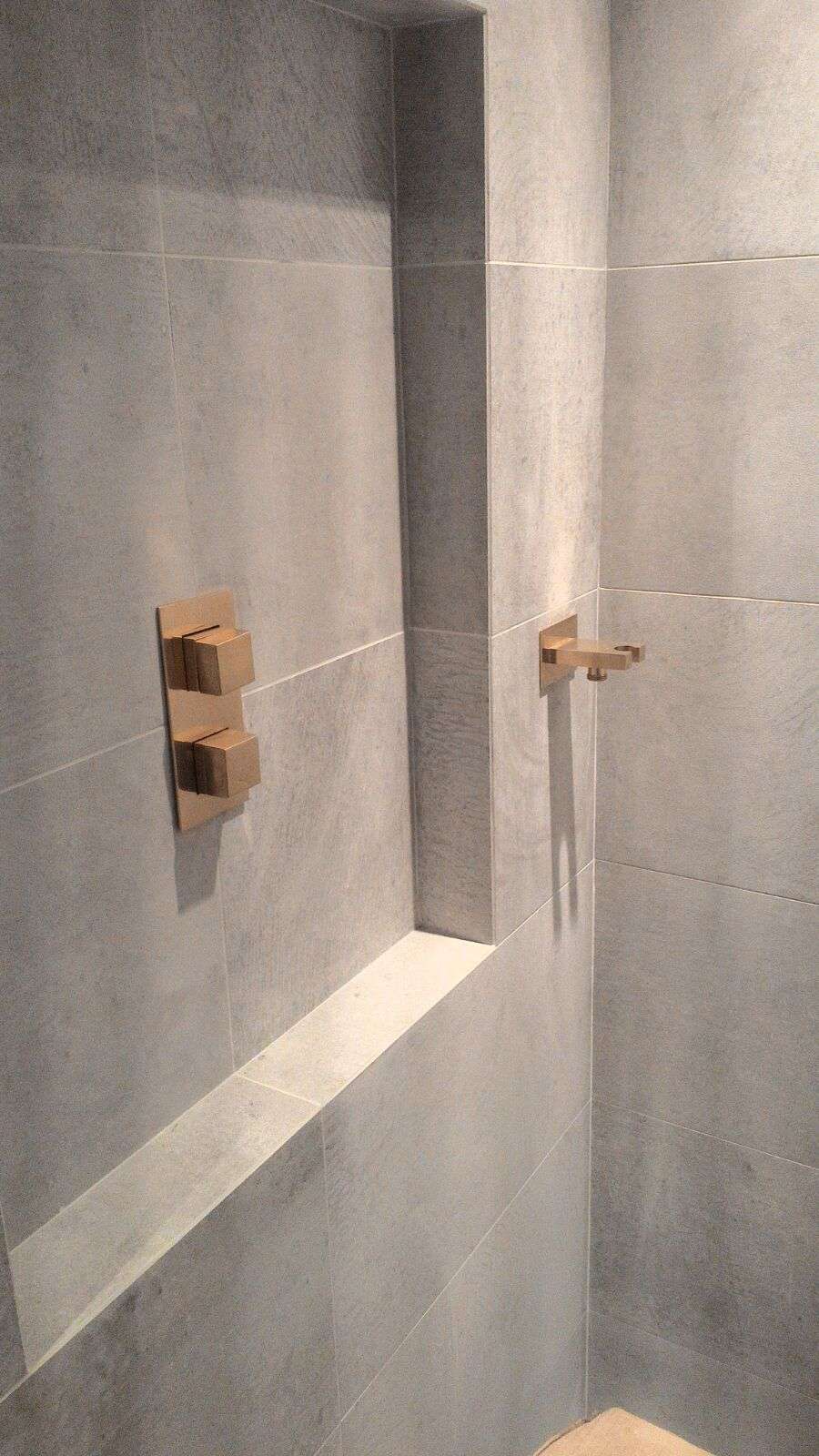
Walk-in shower with large-format porcelain tiles, recessed shower niche, and concealed brushed brass shower controls.

Check Everything Before Handover

A bathroom is never complete simply because it looks finished.

Before we hand over any project, everything gets tested and reviewed properly. Plumbing tested, fittings checked, doors and drawers operated, silicone inspected, ventilation confirmed working. Final checks are not a formality at Kluk — they’re part of the build.

This is the stage where small details get corrected before the bathroom starts daily use. A proper handover should give you confidence that the room has been completed with care, not just completed.

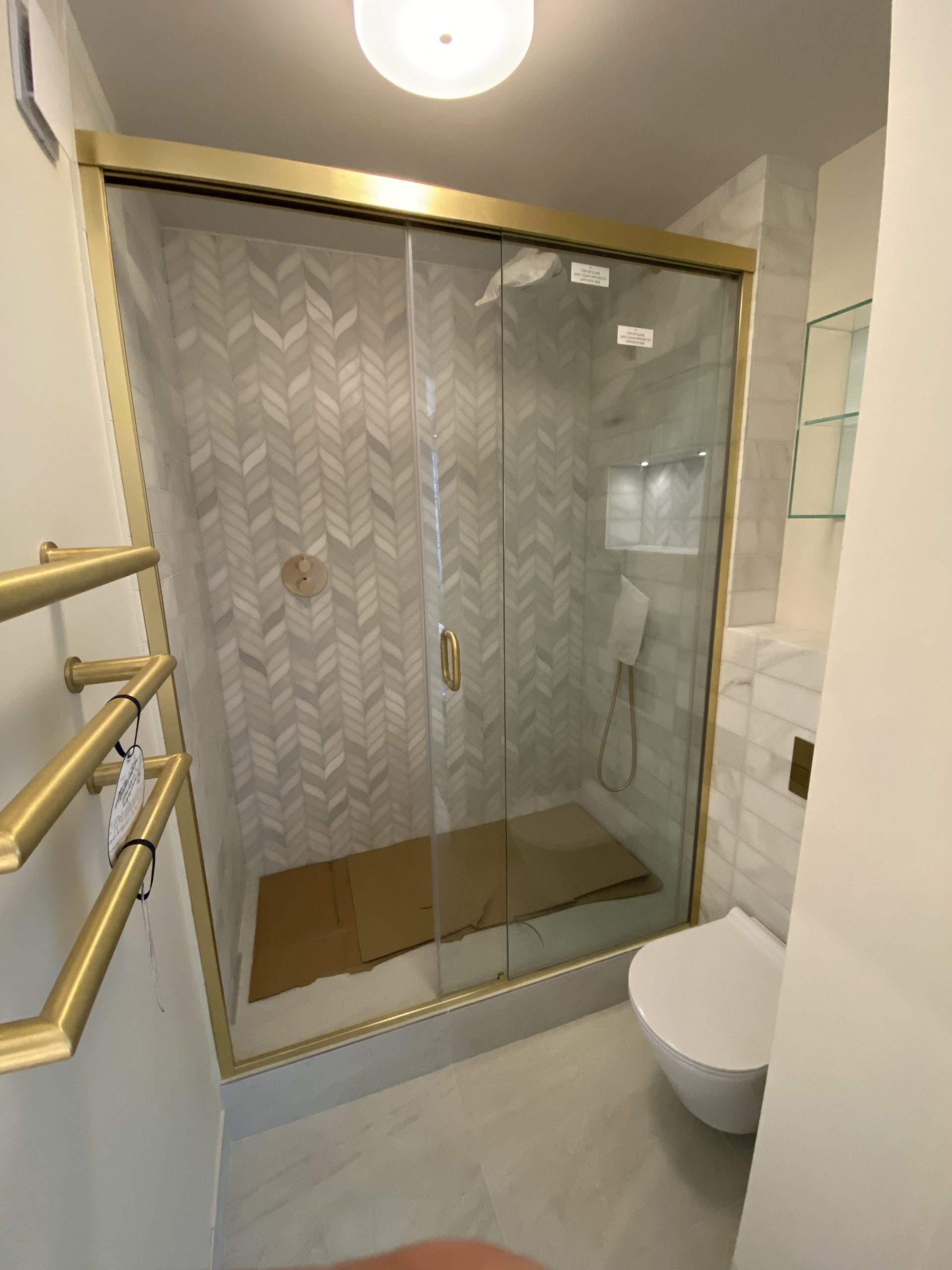
Gold-framed glass shower with chevron tile walls, handheld shower, and cardboard mat on the shower floor; toilet visible to the right.

How to Tell If a Bathroom Has Been Built Well

When you’re assessing a finished bathroom — whether it’s one we’ve built or someone else’s — look beyond the products.

Floors should feel solid underfoot. Walls should appear straight. Corners should be clean and consistent. Fixtures should sit level and be securely fixed. Doors and drawers should operate without resistance. Grout lines should be even. Sealant should look purposeful — not like it’s been used to fill a gap that shouldn’t be there.

And a good builder should be able to explain why decisions were made. If you walk away from a project understanding how your bathroom was built and why certain choices were taken, that’s a strong sign you’ve worked with someone who values transparency as much as craftsmanship. Not sure what to look for before you even get to that stage? We’ve put together 12 things to check before hiring a builder in London.

If you can’t get a clear answer, that’s worth paying attention to.

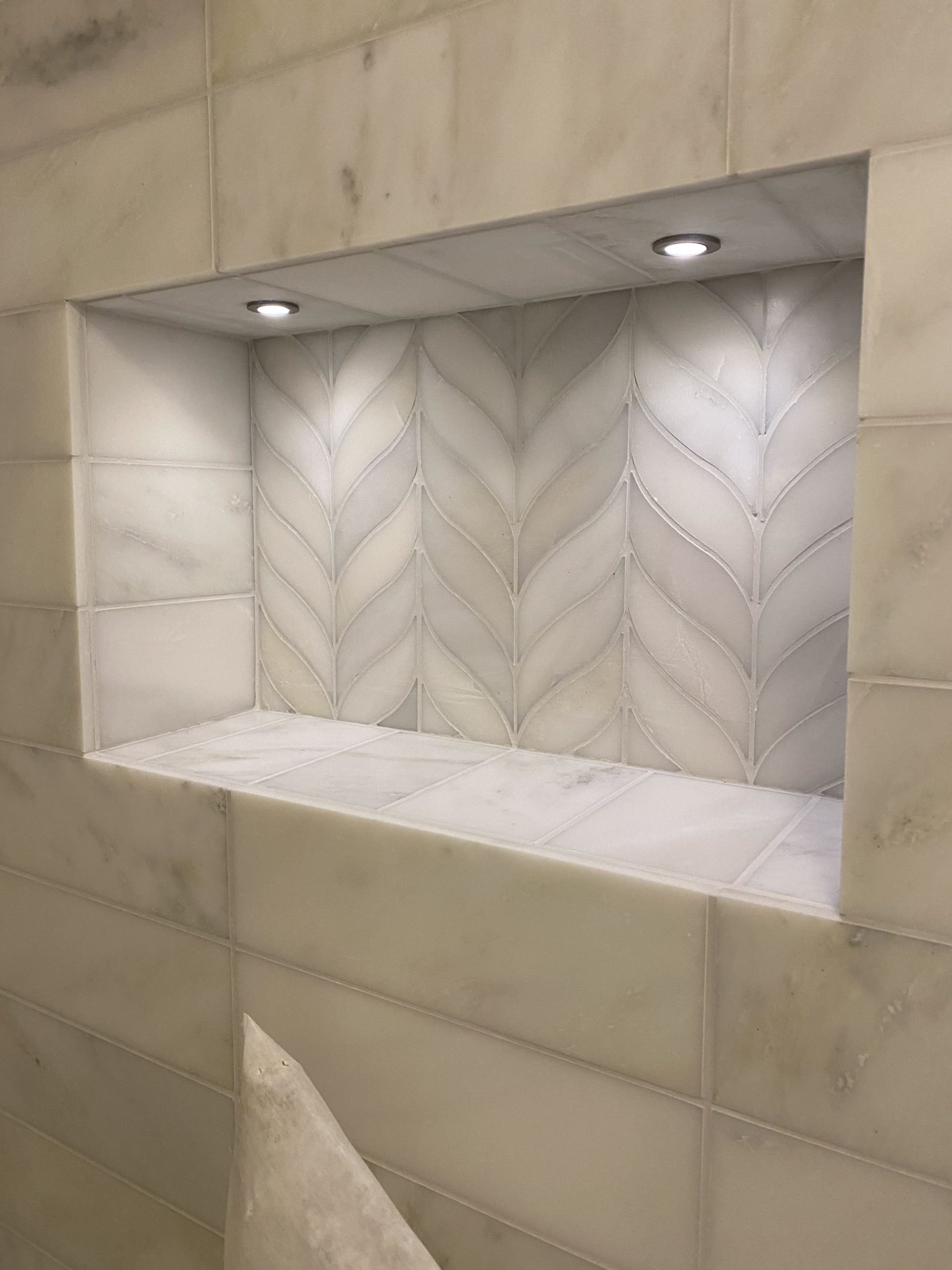
Illuminated recessed shower niche with decorative feature tiles and integrated LED spotlights.

The KLUK Building Philosophy

Every bathroom we build is guided by one principle: build it as if we were building it for ourselves.

Quality starts long before the first tile is laid. It starts with honest assessment, careful preparation, and the willingness to correct hidden problems rather than work around them.

We don’t believe every project needs the highest possible specification. We don’t believe every client should spend beyond what their budget allows. Our role is to explain the options clearly, be honest about the long-term implications of each decision, and build a bathroom that reflects the priorities of the people who will use it every day.

Because in our experience, a great bathroom isn’t remembered for how quickly it was built. It’s remembered for how well it still performs ten years later.

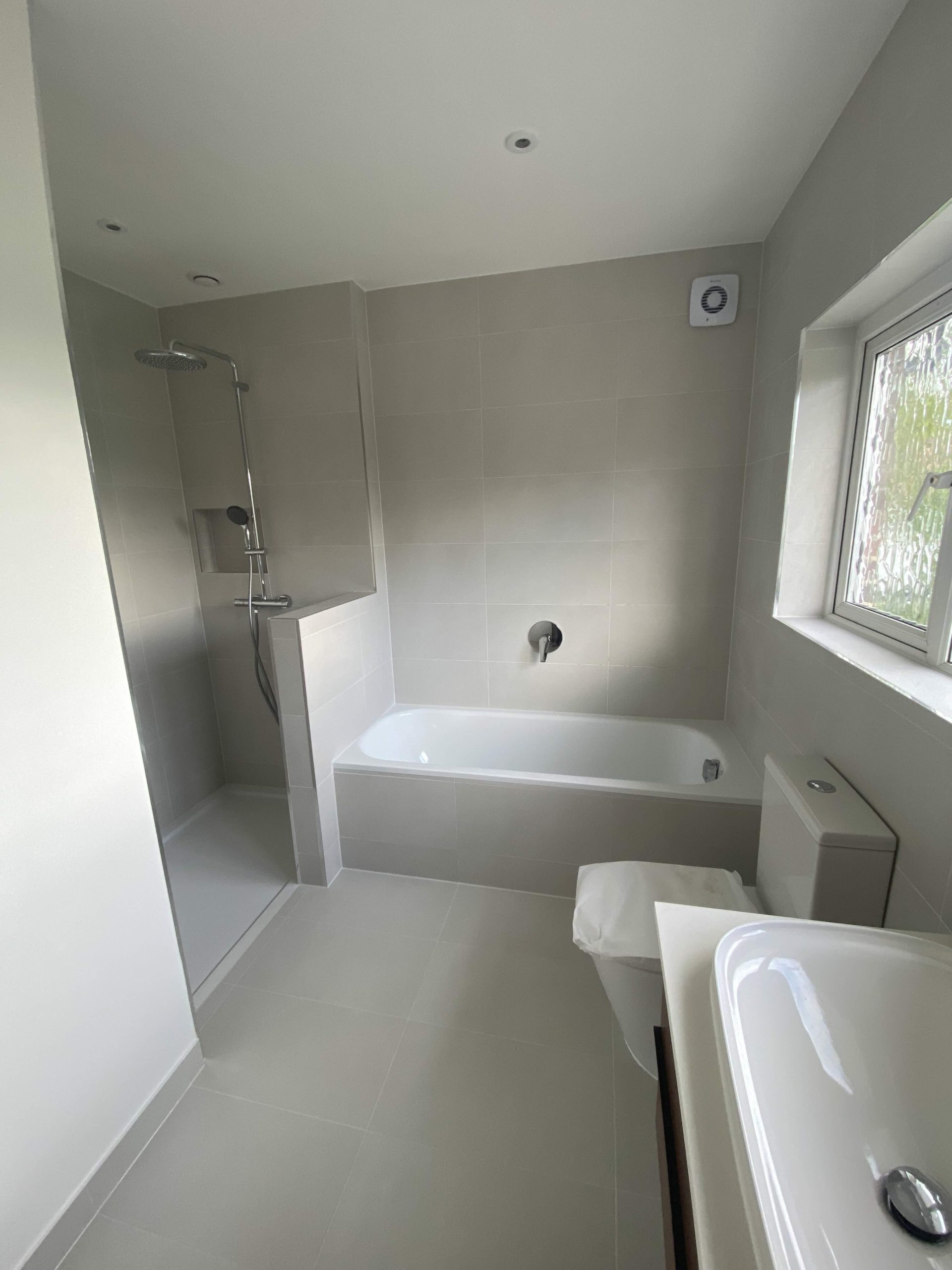
Completed modern bathroom with walk-in shower, bath, recessed shower niche, and mechanical ventilation installed.

A Final Word From Marcin

The purpose of the Kluk Workshop is simple: to share what we’ve learned over fifteen years of renovating homes across South West London.

Informed clients make better decisions. If this article helps you understand the process, ask better questions, or simply appreciate the value of preparation you’ll never see — then it has done its job.

If you’re planning a bathroom renovation and would like to talk through your project, I’d be glad to hear from you. We work across Fulham, Chelsea, Putney, Wandsworth and the surrounding areas — and we’re always happy to visit a property, understand the challenges, and give you an honest picture of what’s involved before any decisions are made.

Get in touch: info@kluk-construction.co.uk · 0203 633 1757

This is Edition 01 of the Kluk Workshop — a series sharing the construction knowledge behind high-quality home renovations in South West London.

© Kluk Construction Ltd · Registered in England No. 08232597 · SW London Design & Build Specialists

Two construction workers stand by an open van filled with stacked toolboxes and a drill set, KLUK branding visible on boxes and clothing.

Frequently Asked Questions

What should happen before bathroom tiles are installed?

The backbone stage is the foundational preparation of a bathroom, including a solid, level subfloor, straight walls, a properly prepared ceiling, modern services planned before the room is closed, effective ventilation, and waterproofing done properly. This stage determines future performance; once the backbone is right, visible finishes become enhancements rather than disguises, and quality hinges on everything behind the finishes.

Why should hidden problems be fixed before a bathroom renovation?

The article argues that decisions should be based on the true condition of the room, not appearances. Hidden defects in floors, walls, or plumbing can undermine performance, so an honest inspection removes uncertainty, reveals problems early, and can save money by addressing issues at the right time rather than after tiles are laid.

Can Hidden Problems Increase the Cost of a Bathroom Renovation?

Correcting hidden problems often requires more labour and materials and can increase the initial investment. However, the approach is honest about what is necessary, tailoring the scope to the budget while ensuring long-term performance. Not every project requires the same standard, and clients are guided through options with transparency.

What Should You Check Before Signing Off a New Bathroom?

During handover, final checks include plumbing, fittings, doors and drawers, silicone, and ventilation. Everything should be tested and reviewed to ensure the bathroom is completed with care rather than merely finished. Floors should feel solid, walls straight, corners clean, fixtures level, and grout lines even. This ensures confidence that the room will perform well over time.

What makes a high-quality bathroom renovation?

Beyond appearance, a good project requires decisions that are defensible and explained, transparency about the choices and their long-term implications, honest assessment, careful preparation, and a willingness to correct hidden problems. The goal is a bathroom that performs beautifully for years, not just a display of finishes.

author avatar
Marcin Kluk Founder & Director
Marcin Kluk is the founder of Kluk Construction, specialising in full house refurbishments, home renovations, extensions, and residential construction projects across South West London. With over 15 years of experience in the UK construction industry, he is known for quality craftsmanship, reliable project management, and attention to detail.