Do You Want To Build an Extension — Or Manage One?

Do You Want To Build an Extension — Or Manage One?

Most homeowners think they’re the same thing.

Building has been part of my family’s life, and after more than 15 years delivering residential renovation and extension projects myself, I’ve noticed the same pattern time and again.

Homeowners start their project believing that hiring a builder means someone will take care of everything. Then the reality of coordinating decisions, suppliers, consultants and unforeseen issues begins to emerge.

The question isn’t whether you need a builder.

The question is how much of the project you want to manage yourself.

In this article, I’ll explain what managing an extension project actually involves, why many homeowners underestimate the time commitment, and how different building companies approach project delivery. I’ll also share some of the common challenges I’ve seen clients face over the years—and why professional project management can often be the difference between a stressful build and a successful one.

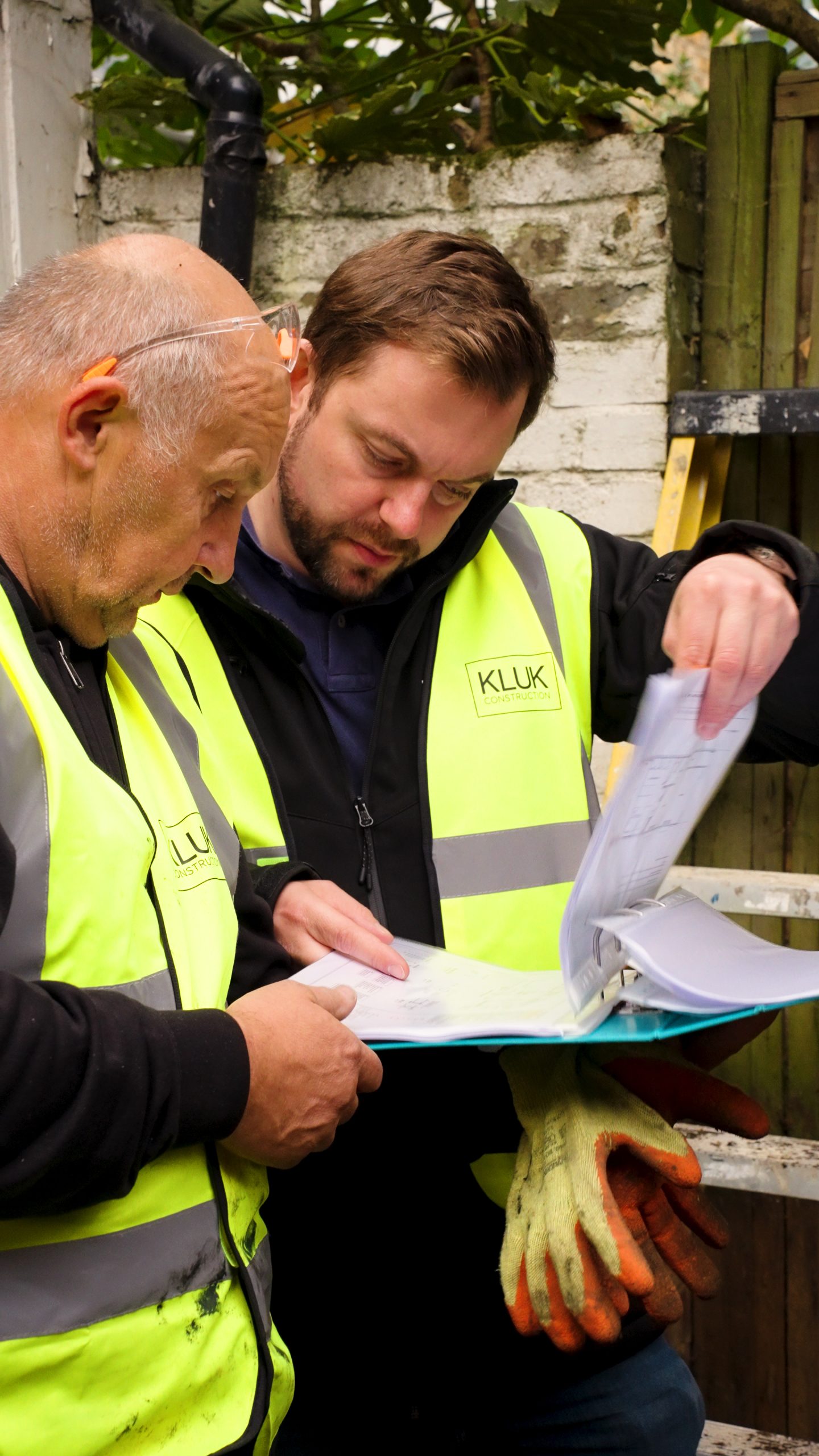
Marcin Kluk on site during a residential renovation project in South West London.

The Misconception

Over the years, I’ve found that many homeowners assume hiring a builder means someone will take care of everything.

Sometimes that’s true. Often it isn’t.

A good example is a recent extension and full house refurbishment project we completed in Putney. The project took around 10 months from start to finish. When we sat down to write a welcome-home card for the clients, we decided to include the names of everyone who had contributed to the project.

By the time we finished the list, we had counted more than 20 people.

Every stage of the project relied on different specialists. From structural engineers and building control inspectors to electricians, plumbers, decorators and skilled tradespeople, each contributed a piece of the puzzle that ultimately became our clients’ finished home.

And that’s before counting suppliers, delivery teams, kitchen designers, bathroom designers and various other specialists involved throughout the project.

What many homeowners don’t realise is that all of these people need to be coordinated. Information needs to flow between them, decisions need to be made at the right time, materials need to arrive when required and problems need to be solved before they affect progress on site.

The construction work itself is only part of the challenge.

Managing the project is often just as important.

This is why it’s important to understand that not all building projects are delivered in the same way. Depending on who you hire and how the project is structured, the responsibility for coordinating all these moving parts can sit with the homeowner, the builder or a dedicated project-led team.


1. DIY Project Management

For many people, this is how building projects used to work.

I remember watching my grandparents extend and improve their home. Family members would get involved, trusted tradesmen would be brought in when needed, and homeowner would personally coordinate much of the work themselves.

Even today, some homeowners choose this route.

They appoint architects, source contractors, organise suppliers, coordinate deliveries and make sure everyone is working to the same plan.

This approach can work well for people with construction knowledge, plenty of available time and a genuine interest in managing the process.

However, it effectively turns the homeowner into the project manager.


2. Builder-Led Construction

This is probably the model most homeowners expect when they hire a builder.

The builder takes responsibility for carrying out the construction work, manages their own team and delivers the physical build.

However, many important responsibilities often remain with the homeowner.

Decisions about kitchens, bathrooms, flooring, lighting, consultants, suppliers and design changes may still require significant involvement from the client.

The builder is focused on construction.

The homeowner often ends up coordinating the wider project.


3. Project-Led Delivery

This approach has become increasingly popular with busy professionals and families who want to minimise the amount of time they need to spend managing a construction project.

A project-led building company takes responsibility not only for construction, but also for coordinating the wider process.

This can include planning the programme, managing consultants, coordinating suppliers, monitoring quality, resolving issues and keeping the project moving forward.

The homeowner remains involved in key decisions and approvals, but does not need to spend their evenings chasing suppliers, coordinating trades or solving day-to-day site issues.


The difference is simple.

In the first model, the homeowner manages the project.

In the second model, the homeowner often shares that responsibility.

In the third model, the project is professionally managed on their behalf.

What Managing an Extension Actually Involves

When homeowners think about an extension, they usually picture the visible parts of the project: foundations being dug, walls being built, steels being installed and new spaces taking shape.

What they don’t always see is everything happening behind the scenes.

Before construction even begins, architects, structural engineers, building control inspectors, party wall surveyors and other consultants may all be involved in developing and approving the project. Once work starts, kitchens, bathrooms, flooring, lighting, joinery and countless other products need to be selected, ordered and delivered at the right time.

Construction is not simply a collection of individual tasks. It is a carefully managed sequence involving people, products, information and decisions.

As I sometimes joke with clients, construction can feel a bit like running a nursery. On a typical extension or renovation, you may have twenty or more highly skilled people involved, each with their own schedules, priorities and way of working. Somebody needs to make sure everyone has the information, materials and decisions they need to keep moving forward.


Why Delays Become Expensive

One delayed decision can have consequences far beyond the issue itself.

Imagine a team of five tradespeople arriving on site ready to continue work, only to discover that drawings have not been updated, materials have not arrived or a key decision is still outstanding.

Depending on the trades involved, a single day of lost productivity can easily cost £1,200–£1,500 plus VAT.

The greater risk is often the knock-on effect. Many specialist trades, consultants and suppliers are booked weeks or even months in advance. If a project is not ready when they are scheduled to attend, the next available slot may be two or three weeks later.

What starts as a small delay can quickly affect the entire programme.


Building Is Only Half the Job

In my experience, most delays are not caused by poor workmanship. They are caused by poor coordination.

Building itself is often the easy part.

The real challenge is making sure that every consultant, supplier, trade and decision comes together at the right time.

That’s why I often tell clients that building is only half the job.

The other half is making sure every person, product and decision comes together at the right time.

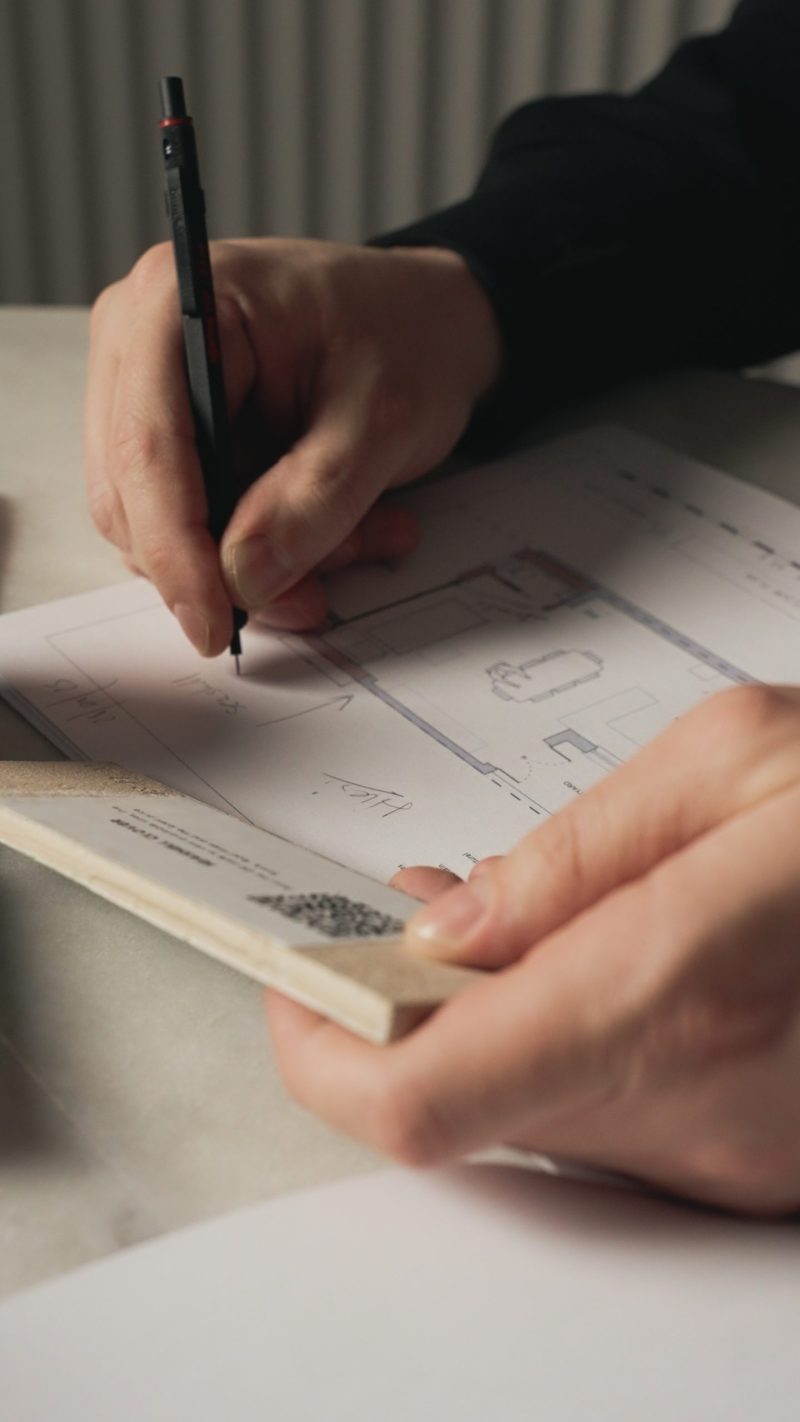
Marcin Kluk review plans before construction starts

The Hidden Cost Nobody Calculates

When planning an extension, most homeowners focus on the financial budget.

They compare quotes, calculate contingencies and carefully consider how much the project will cost.

What is rarely discussed is the other budget.

Time.

Over the years, I’ve found that homeowners often underestimate how much time a building project can demand from them.

Even relatively straightforward extensions can involve site meetings, phone calls, emails, supplier visits, product selections, design reviews and countless small decisions along the way.

A typical extension project can easily involve dozens of meetings, hundreds of emails and well over one hundred individual decisions.

Some decisions are significant. Others may seem minor at the time:

  • Which flooring should be installed?
  • Where should the kitchen sockets go?
  • Which door handles should be specified?
  • What colour should the external joinery be painted?
  • Should we replace the gas boiler or invest in a heat pump?
  • Do we need air conditioning?
  • Should we future-proof for electric vehicle charging?

Individually, these decisions may only take a few minutes. Collectively, they can consume many hours over the course of a project.

The challenge is that building projects don’t happen in isolation.

Most homeowners undertaking an extension are already managing demanding careers, family commitments and busy schedules. School runs still need to happen. Holidays still need to be organised. Children’s activities, sports events and family commitments continue throughout the project. Work deadlines don’t disappear simply because an extension is being built.

Yet at the same time, somebody needs to review drawings, approve specifications, answer questions, attend meetings and make decisions that keep the project moving forward.

This is often where homeowners discover that managing a building project can feel like taking on a second job.

For some people, that’s part of the enjoyment. They like being heavily involved and have the time available to do so.

For many others, particularly busy professionals and growing families, the time commitment can come as an unpleasant surprise.

A good example is air conditioning. In my article Why Refurbished Homes Need Air Conditioning in 2026, I explain why modern extensions, loft conversions and refurbished homes are increasingly vulnerable to overheating—and why this is a decision that should be considered during the planning stage rather than after completion.

It’s something many homeowners don’t consider during the early stages of a refurbishment or extension project, particularly if construction begins during the autumn or winter months.

At that point, attention is usually focused on layouts, structural work, kitchens, bathrooms and finishes. Cooling rarely feels like a priority.

The challenge often appears much later.

The project is complete, the family moves back in and then the first hot summer arrives. South-facing bedrooms become uncomfortable at night, loft conversions overheat and large glazed extensions retain more heat than expected.

By then, what could have been a relatively simple discussion during the design stage may require opening ceilings, altering finished areas or revisiting completed work.

In recent years, this has become an increasingly common issue. Modern extensions and refurbished homes are generally better insulated, more airtight and often feature larger areas of glazing. While these improvements help energy efficiency, they can also increase the risk of overheating if cooling requirements have not been considered early enough.

This is one of the reasons project management is about more than coordinating trades and suppliers. It is also about helping homeowners make informed decisions at the right stage of the project.

Over the years, I’ve found that many of the most valuable decisions on a project are not the ones clients ask about. They are the questions they don’t yet know to ask.

Delays can make the situation even more challenging.

Many families choose to rent temporary accommodation during major renovations or extensions. Others stay with relatives while work is being completed. Every additional week on site can mean extra accommodation costs, increased travel time, extended storage arrangements and further disruption to family life.

For households with pets, the challenges can be even greater. Dogs and cats rarely understand why their home has suddenly become a building site. Noise, dust, restricted access and constant activity can add another layer of stress during what is already a significant undertaking.

These are rarely the factors discussed when comparing building quotes, but they often have the greatest impact on a homeowner’s overall experience of the project.

There is also a reason fully refurbished and extended homes are so popular with buyers across London.

Most people love the idea of a finished home. Far fewer are excited about the reality of creating one.

Anyone who has lived through a major renovation understands the level of commitment involved. Months of planning, hundreds of decisions, temporary accommodation, unexpected challenges and constant coordination can place significant demands on family life.

As a result, many buyers are willing to pay a premium for a home where somebody else has already done the hard work.

They are not simply buying new kitchens, extensions or upgraded finishes.

They are buying the time, effort and expertise that went into delivering the project.

Having managed residential renovation projects for many years, I can understand both perspectives. The results can be transformational, but the journey is often far more demanding than homeowners initially expect.

In my experience, people rarely remember every technical detail of their extension once the project is complete.

What they remember is how much time it demanded from them, how disruptive it felt to their daily lives and whether they felt supported throughout the process.

The reality is that most people are not simply paying for an extension.

They are also deciding how much of their own time, energy and attention they want to invest in delivering it.

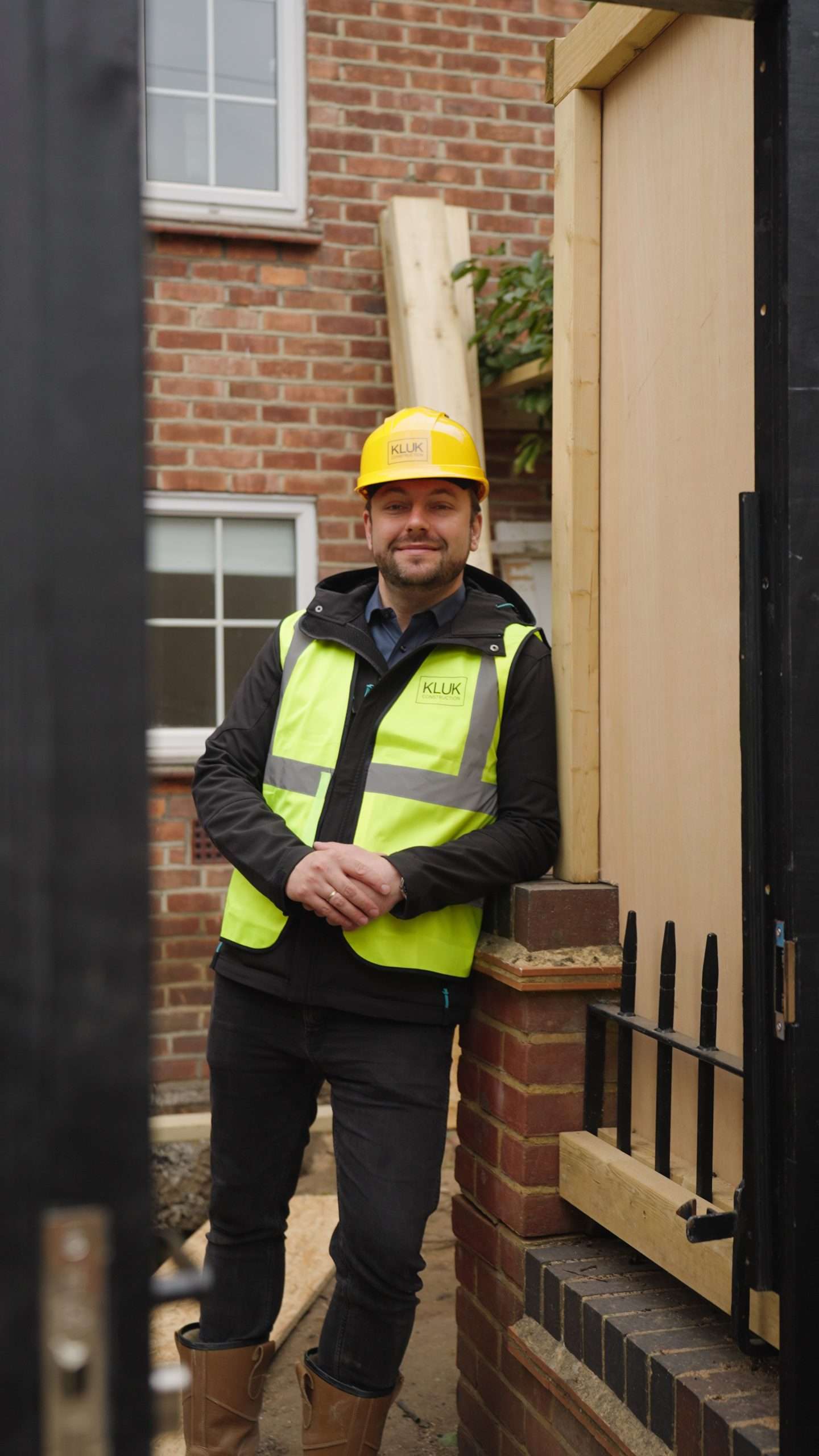
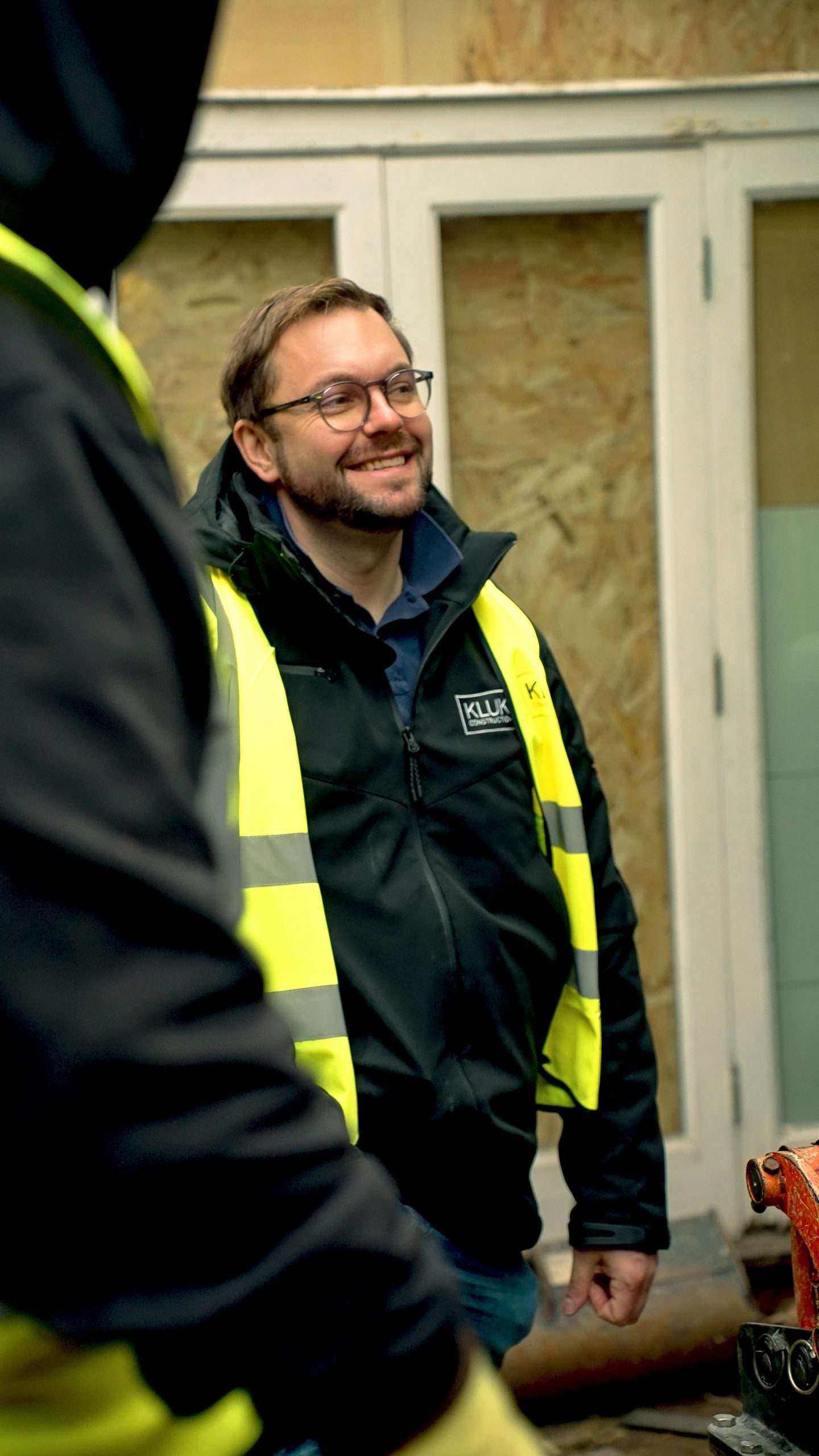
Marcin Kluk on site meet in Barnes
Marcin Kluk review plans with foreman on extension in Barnes
bathroom, design, process,

Why Busy Professionals Often Choose a Different Approach?

One pattern I’ve noticed over the years is that many of our clients are highly capable people who are used to managing significant responsibilities in their professional lives.

They are business owners, doctors, lawyers, finance professionals, company directors and senior executives. They are used to making important decisions, leading teams and solving complex problems.

Construction knowledge is rarely the issue.

Time is.

Most already have demanding careers, family commitments and responsibilities competing for their attention. Their days are filled with meetings, deadlines, travel and commitments that cannot simply be put on hold for six to twelve months while a renovation project takes place.

What they are looking for is not somebody to swing a hammer.

They are looking for somebody they can trust to coordinate the hundreds of moving parts involved in delivering a successful project.

In many ways, it is no different from the way they operate in their own professions.

A business owner doesn’t personally manage every supplier relationship. A solicitor doesn’t handle every administrative task. A surgeon doesn’t personally coordinate every aspect of a hospital’s operations.

They rely on experienced professionals, systems and processes to ensure everything works together effectively.

The same principle applies to construction.

The most successful projects are often the ones where responsibilities are clearly defined, communication is structured and somebody is accountable for keeping everything moving forward.

For many homeowners, the greatest luxury is not a larger kitchen, a bigger extension or more expensive finishes.

It’s the ability to continue focusing on their family, career and daily life while knowing the project is being professionally managed on their behalf.

Kluk Construction Design Materials

Construction-Led vs Project-Led Delivery

By this point, you may be wondering where the responsibility for all of these decisions, communications and moving parts actually sits.

The answer depends on how the project is delivered.

In my experience, most residential projects fall somewhere between two broad models: construction-led delivery and project-led delivery.


Construction-Led Delivery

In a construction-led model, the builder’s primary responsibility is carrying out the building work itself.

They manage labour, supervise construction activities and deliver the physical elements of the project.

However, homeowners often remain heavily involved in the wider process.

This may include coordinating architects and consultants, managing supplier relationships, making procurement decisions, chasing quotations, resolving design queries and helping to keep the programme moving forward.

There is nothing inherently wrong with this approach. Many successful projects have been delivered this way for decades.

However, it does require a significant investment of time and attention from the homeowner.


Project-Led Delivery

In a project-led model, responsibility extends far beyond the physical construction work.

The project team coordinates consultants, suppliers, procurement schedules, trade sequencing, quality control and communication throughout the build.

Potential issues are identified early. Decisions are planned in advance. Materials are ordered before they are needed. Consultants are engaged at the appropriate stages. Trades are scheduled to minimise delays and maintain momentum on site.

The homeowner remains involved in key decisions and approvals, but does not need to manage the day-to-day running of the project.

Instead of spending evenings coordinating suppliers, chasing information and solving problems, they receive updates, review recommendations and focus on the decisions that genuinely require their input.


Which Approach Is Right?

Neither model is universally right or wrong.

Some homeowners enjoy being heavily involved and want to manage much of the process themselves.

Others would rather spend their time focusing on family, careers and personal commitments while experienced professionals manage the project on their behalf.

Over the years, I’ve found that many homeowners simply want clarity about where responsibility sits.

They want to know who is coordinating the consultants, managing the programme, resolving issues and ensuring decisions are made at the right time.

Their challenge is rarely understanding construction.

Their challenge is finding the time and headspace to manage everything that comes with it.

For them, the value of a project-led approach is not simply better organisation.

It’s the confidence that somebody is taking responsibility for bringing every person, product and decision together to deliver a successful outcome.


Responsibility Matters

One lesson I’ve learned over the years is that almost every project looks straightforward at the beginning.

The drawings are complete. The budget has been agreed. The programme looks achievable.

At that stage, making promises is relatively easy.

The real test comes months later, when unexpected challenges appear, suppliers miss delivery dates, hidden issues are uncovered, decisions need to be made quickly and multiple parties are relying on each other to keep the project moving forward.

That is when project delivery becomes important.

In my view, homeowners should not have to spend their evenings coordinating consultants, chasing suppliers or resolving construction issues.

Their role should be to make informed decisions and enjoy watching their project take shape.

Our role is to manage the complexity on their behalf.

At Kluk Construction, we see ourselves not only as builders but as project leaders. We take responsibility for bringing together the people, information, materials and expertise needed to deliver the finished result.

Whether that means coordinating architects and engineers, managing procurement, resolving unforeseen issues or keeping the programme on track, our objective remains the same.

To allow our clients to focus on their families, careers and daily lives while we focus on delivering the project.

Because ultimately, a successful project is not measured by the promises made at the beginning.

It is measured by whether the finished result is delivered as expected when the clients walk back through their front door.

And that, in my experience, is where the difference between construction and project delivery becomes most apparent.

Call us now

For a free quotation

What Does Peace of Mind Actually Mean?

“Peace of mind” is one of those phrases that gets used frequently in construction.

But what does it actually mean?

After many years managing residential renovation and extension projects, I’ve come to realise that peace of mind has very little to do with bricks, plaster or even construction itself.

It comes from certainty:

  • Knowing who to call when a question arises.
  • Knowing that somebody is monitoring progress and identifying issues before they become problems.
  • Knowing that decisions are being planned in advance rather than made at the last minute.
  • Knowing that if something unexpected happens, somebody is taking responsibility for finding a solution.

For many homeowners, especially those balancing careers, families and busy schedules, this certainty becomes incredibly valuable.

They don’t necessarily want to know every detail of what happened on site that day.

They want confidence that the project is moving forward as planned and that they will be informed when their input is genuinely required.


In my experience, the best project management often goes unnoticed:

  • Problems are identified early.
  • Information is shared before it becomes urgent.
  • Materials arrive when they are needed.
  • Trades are scheduled correctly.
  • Decisions are prepared in advance.

The client never sees the issue because it was resolved before it reached them.

That is what peace of mind looks like in practice.

It’s not the absence of challenges.

Every project encounters challenges.

It’s knowing that somebody is taking responsibility for navigating them on your behalf.


Ultimately, most homeowners are not buying bricks, plasterboard or building labour.

They are buying confidence.

They are buying certainty.

They are buying the reassurance that their home, investment and family’s future are in capable hands.

Neighbours having coffee when project led construction company take project management from their resposibilites

Marcin's Perspective: What I've Learned Over the Years

After more than 15 years delivering residential renovation and extension projects, I’ve come to believe that homeowners are often making a very different decision than they realise.

Most think they are choosing a builder.

In reality, they are choosing how much of the project they want to manage themselves.

Over the years, I’ve seen projects delivered in many different ways. Some homeowners enjoy being deeply involved in every decision, every supplier discussion and every stage of the process.

Others would rather focus on their families, careers and daily lives while experienced professionals take responsibility for coordinating the project.

Neither approach is right or wrong.

The important thing is understanding the difference before you begin.

Perhaps my own perspective comes from growing up between two very different worlds.

On one side of my family were engineers, builders and practical problem-solvers. On the other were musicians and creative people who cared deeply about balance, proportion and how things felt.

Residential renovation projects sit somewhere between those worlds.

A successful project needs strong engineering, practical thinking and disciplined delivery. But it also needs thoughtful design, good proportions and spaces that genuinely improve the way people live.

What I’ve learned is that achieving both requires more than good construction.

It requires leadership, communication and coordination.

The most successful projects I’ve been involved with were not necessarily the simplest projects.

They were the projects where responsibilities were clear, decisions were made at the right time and somebody was constantly looking ahead to identify potential problems before they affected the client.

That’s why I’ve always believed project management is one of the most undervalued parts of residential construction.

Most homeowners never see the hundreds of conversations, decisions and small interventions happening behind the scenes.

They simply experience the outcome.

The project feels organised.

The communication feels clear.

The process feels manageable.


And that, in many ways, brings us back to the question at the beginning of this article.

Do you want to build an extension?

Or do you want to manage one?


Because in my experience, understanding the difference is often one of the most important decisions a homeowner can make.

Marcin Kluk from KLUK Construction on build site. Leading builders in Wandsworth

Conclusion

When most homeowners start planning an extension, they focus on the finished result.

  • The additional space.
  • The new kitchen.
  • The improved layout.
  • The transformation of their home.

What they often underestimate is everything required to get there.

The meetings, decisions, coordination, supplier management, programme planning and problem-solving that take place throughout the project.

Over the course of this article, we’ve explored the hidden side of residential construction. The side most homeowners never see but which often determines whether a project feels organised and enjoyable or stressful and overwhelming.

The reality is that there is no single right way to deliver an extension.

Some homeowners enjoy being closely involved in every aspect of the process.

Others would rather focus on their careers, families and daily lives while experienced professionals take responsibility for managing the project on their behalf.

Neither approach is right or wrong.

The important thing is understanding the difference before you begin.

Because in my experience, the most successful projects are not necessarily the ones with the largest budgets or the most ambitious designs.

They are the ones where expectations are clear, responsibilities are understood and the right people are taking ownership of the right tasks.


Before choosing a builder, ask yourself one simple question:

Do you want to build an extension—or manage one?


Your answer may determine not only how your project is delivered, but also how much time, energy and attention it demands from you over the months ahead.

And if you’re like many of the homeowners I’ve worked with over the years, the most valuable part of a successful project may not be the extension itself.

It may be the peace of mind that comes from knowing somebody else is taking responsibility for delivering it.

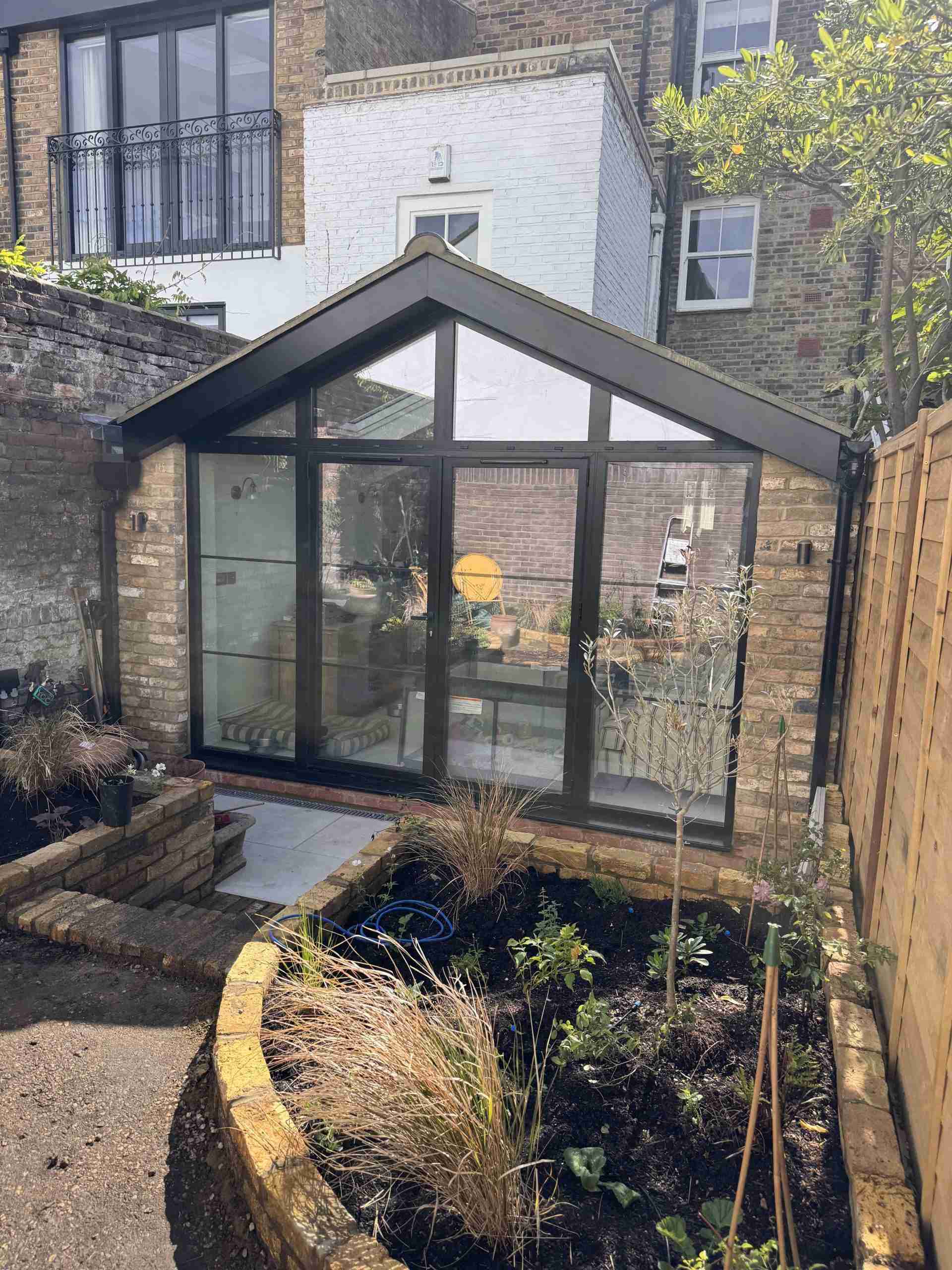
Project-led kitchen extension in Barnes by Kluk Construction

author avatar
Marcin Kluk Founder & Director
Marcin Kluk is the founder of Kluk Construction, specialising in full house refurbishments, home renovations, extensions, and residential construction projects across South West London. With over 15 years of experience in the UK construction industry, he is known for quality craftsmanship, reliable project management, and attention to detail.