
For a long time, underfloor heating was seen as the ultimate home comfort. No bulky radiators taking up wall space, no shock of cold tiles first thing in the morning, just a gentle, even warmth that filled the whole room. These days, with energy costs shifting, new rules for homes, and more people turning to renewable heating, the question we hear more often is simple: is underfloor heating still worth it in 2025?
The answer isn’t the same for everyone. It depends on your home, your budget, and the kind of work you’re planning.
WHY PEOPLE CHOOSE UNDERFLOOR HEATING
The first thing people notice is how comfortable it feels. Radiators tend to create hot spots near the unit and cooler patches further away, but underfloor heating spreads the warmth evenly across the room. It rises gently, so both the air and the floor feel cosy. After living with it, radiators can seem a little dated by comparison.
People also love the extra freedom it gives with design. Take radiators out of the picture and suddenly a room feels easier to plan. Furniture can go where it makes sense, you gain back wall space for storage or windows, and the whole space looks a bit cleaner.
It’s efficient too. Because underfloor systems run at lower water temperatures, they don’t need to work as hard to keep the space warm, especially if the house is well insulated. Looking ahead, UFH also pairs naturally with heat pumps, which are becoming more common and are designed to perform best at those lower temperatures.

THE DOWNSIDES TO BE AWARE OF
Like any system, underfloor heating has its downsides. It usually costs more to put in, and in existing homes the work can be quite disruptive because floors often need to come up. It also takes longer to warm up than radiators, which can feel frustrating if you’re used to instant heat.
The systems themselves are reliable, but if something does go wrong, repairs aren’t always straightforward. Getting to pipework under the floor is a bigger job than bleeding a radiator. And in older houses where no major renovation is planned, retrofitting UFH can end up being more hassle than it’s worth.
TYPES OF UNDERFLOOR HEATING
Underfloor heating doesn’t come in a one-size-fits-all package. There are two main types, and the best choice usually depends on the project you’re working on.
Water-based systems circulate warm water through pipes hidden beneath the floor. They’re very efficient, particularly when paired with a heat pump, but they do take more work to install. That’s why they’re often chosen for new builds, big extensions, or major renovations where floors are already being lifted.
Electric systems work a little differently. They use cables or heating mats that sit just below the floor surface. Because they’re thinner and simpler to fit, they’re a good option for retrofits or for single rooms like bathrooms. The trade-off is that they generally cost more to run than water-based systems, even though the installation itself is quicker and less disruptive.
Understanding the difference helps homeowners see how UFH can work in real life, whether that means heating a whole house from the ground up or adding a little extra comfort in a couple of key spaces.
WHERE IT WORKS BEST
Underfloor heating really comes into its own in certain situations. New builds and full renovations are the ideal time to install it, as the system can be designed into the structure from the start. It’s also highly effective in extensions, particularly where there’s a lot of glazing, since radiators sometimes struggle to heat those spaces evenly.
Bathrooms are another popular choice. Even if you don’t add UFH throughout the house, stepping onto a warm floor after a shower is a small luxury that makes a big difference to daily life. And in large, open-plan kitchens or living spaces, the even spread of heat is far more effective than relying on radiators tucked away on one wall.

SMARTER HEATING IN 2025
One of the biggest changes with UFH in recent years is how easy it is to control. Many systems now connect to smart home technology, so you can adjust the temperature from your phone or even through a voice assistant. Some setups can learn your routine, making sure the kitchen floor is warm when you come down for breakfast without wasting energy all day.
This convenience is only part of the story, though. The bigger shift is how UFH ties into the drive for energy efficiency.
ENERGY AND SUSTAINABILITY
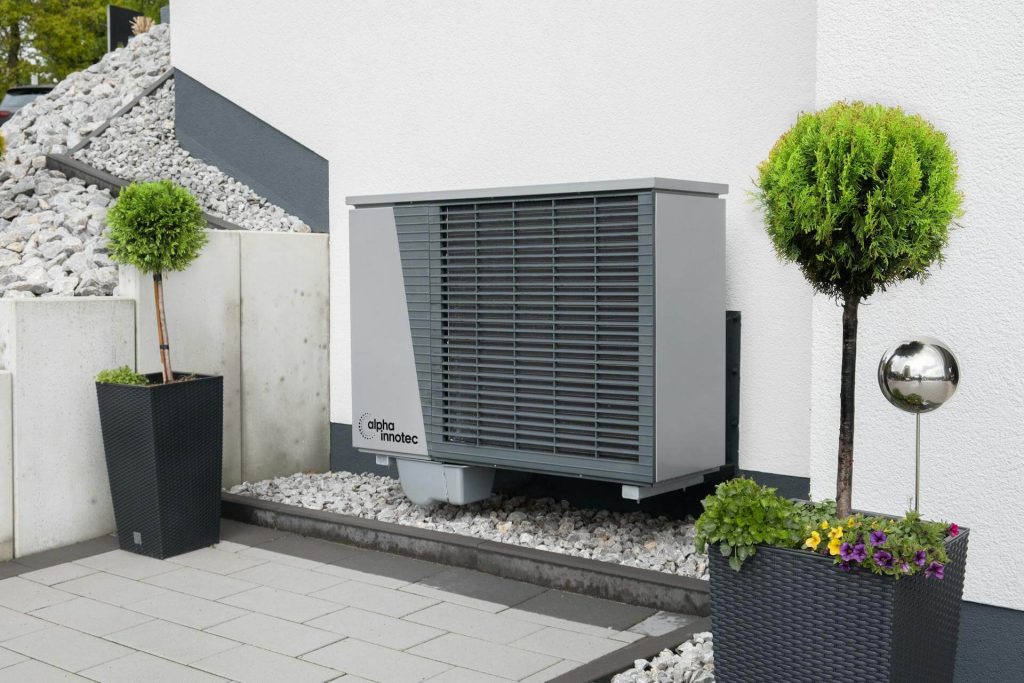
With the UK pushing harder on efficiency and net zero targets, underfloor heating has become an even stronger option. It works especially well with renewable systems like air-source and ground-source heat pumps, creating a setup that’s both sustainable and comfortable.
Take a typical new family home with underfloor heating fitted across the ground floor and paired with an air-source heat pump. In theory, that setup would provide steady, even warmth, help to keep running costs under control, and meet the latest building regulations. It’s the kind of example that shows how, when planned properly, UFH can deliver comfort today while also supporting a more sustainable future.
WHEN IT MIGHT NOT BE WORTH IT
Underfloor heating isn’t the best fit for every home. In older properties where you’re not planning major renovations, the disruption of lifting floors can feel like more hassle than it’s worth. It can also be unnecessary in spaces that don’t get much use, like spare bedrooms. And if you’re working to a tighter budget, radiators often remain the simpler and more affordable option.
COMMON QUESTIONS
That said, UFH doesn’t have to be an all-or-nothing choice. It can still be a smart upgrade in the areas where you’ll appreciate it most, a bathroom, a new kitchen extension, or any space you use every day.
We’re often asked whether UFH replaces radiators entirely. In many homes, it can, but in some cases, a mix of the two works best. Carpets are another concern, and the answer is yes, they can work together, but the right type of carpet and underlay need to be used so the heat isn’t blocked. And when it comes to running costs, UFH can be more expensive in poorly insulated homes, but in a modern, well-insulated property, it’s often cheaper in the long run.
SO IS UNDERFLOOR HEATING WORTH THE INVESTMENT?
For many homeowners in 2025, underfloor heating is still worthwhile. It offers comfort, efficiency, and design freedom, and it fits neatly with the shift toward renewable heating. For new builds, extensions, and full renovations, it’s often the best choice.
That said, it isn’t right for every home. If you’re retrofitting an older property or working to a strict budget, radiators may potentially be the better option. The key is to match the heating system to your home and the way you live in it.
LET’S TALK HEATING FOR YOUR PROJECT
At Kluk Construction, we’ve fitted UFH in everything from modern new-builds to period extensions, so we know where it makes sense and where it doesn’t.
If you’re planning a project and want to know whether underfloor heating is right for your home, get in touch with Kluk Construction. We’ll give you straightforward advice and help you design a system that works for today and for the years ahead.

All images featured in this post are stock photos intended for illustrative use only.
