
Crittall-style glazing has become one of the most recognisable features in modern home extensions. Slim frames, strong lines, and a clear architectural presence can completely change how a space looks and feels. When it’s used well, Crittall glazing adds structure without heaviness and allows light to move freely through the home.
The real value, though, is not just visual. In extensions, especially, steel glazing works best when it supports how you live day to day. If you’re planning a project and weighing up your glazing options, here’s when this style of doors makes the biggest difference.
WHAT PEOPLE MEAN BY “CRITTALL GLAZING”
In most residential settings, “Crittall” refers to steel-look glazing rather than original steel windows. Traditional steel systems are still available, but many homeowners choose aluminium or steel-look alternatives that offer similar slim profiles with improved thermal performance and lower maintenance.
The defining feature is the narrow framing and grid layout. It gives structure to large openings while maintaining a sense of openness and light.
WHERE IT REALLY COMES INTO ITS OWN
ZONING OPEN PLAN EXTENSIONS
One of the biggest challenges in an extension is creating a space that feels open but still works practically. This approach is ideal for separating kitchens from living areas or dining spaces without blocking light or breaking visual connections.
This is particularly useful in family homes, where you may want to reduce noise, contain cooking smells, or create calmer zones without closing the space off completely.
CONNECTING OLD AND NEW
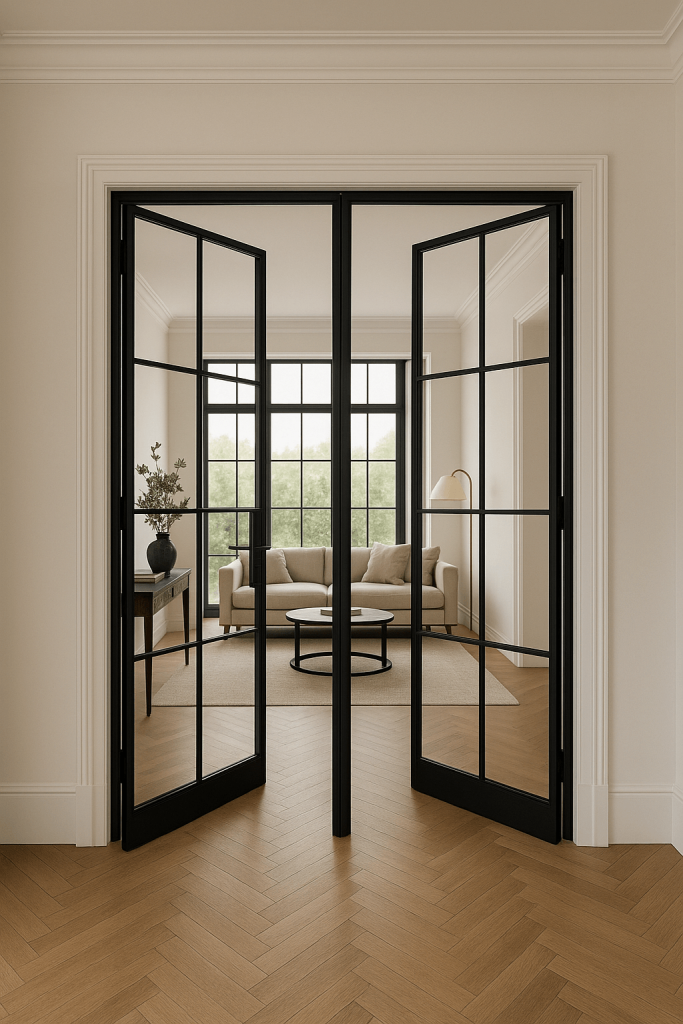
Framed glass screens work especially well where an original property meets a modern extension. It creates a clear visual transition, allowing the extension to feel contemporary while respecting the character of the existing home.
This approach suits many Victorian and Edwardian properties across South West London, where balance is key.
LETTING LIGHT TRAVEL FURTHER
Rather than relying on full walls of glass, Crittall glazing allows daylight to move deeper into the house in a more controlled way. Internal screens and doors help brighten darker areas without sacrificing privacy or warmth.
It also works particularly well in homes where you want clear sightlines but still need the option to close spaces off when needed.
GETTING THE DETAILS RIGHT
Glass screens deliver the strongest results when they’re designed specifically for the space they’re going into, rather than treated as a standard feature.
In smaller extensions, a simpler grid layout or fewer panes can keep the design feeling clean and uncluttered. When proportions are carefully considered, architectural glazing can actually make compact spaces feel more intentional and well-structured.
Specification also matters. Modern steel-look systems can achieve excellent thermal performance when the right glazing, frame depth, and thermal breaks are used. This means you get the architectural look without compromising comfort in year-round living spaces.
Above all, the design should reflect how you live. Whether you need separation for warmth, noise control, or flexibility, framed glass partitions should support daily routines rather than dictate them. When specified and installed properly, Crittall-style glazing becomes part of the structure of the extension, not just a decorative feature.
CHOOSING THE RIGHT STYLE AND CONFIGURATION
There is no single “correct” way to use Crittall, and small design decisions have a big impact on the finished result.
Full-height screens suit larger extensions and make a strong architectural statement, particularly between old and new parts of the house. For a softer approach, single internal doors or half-height screens provide definition without feeling too formal.
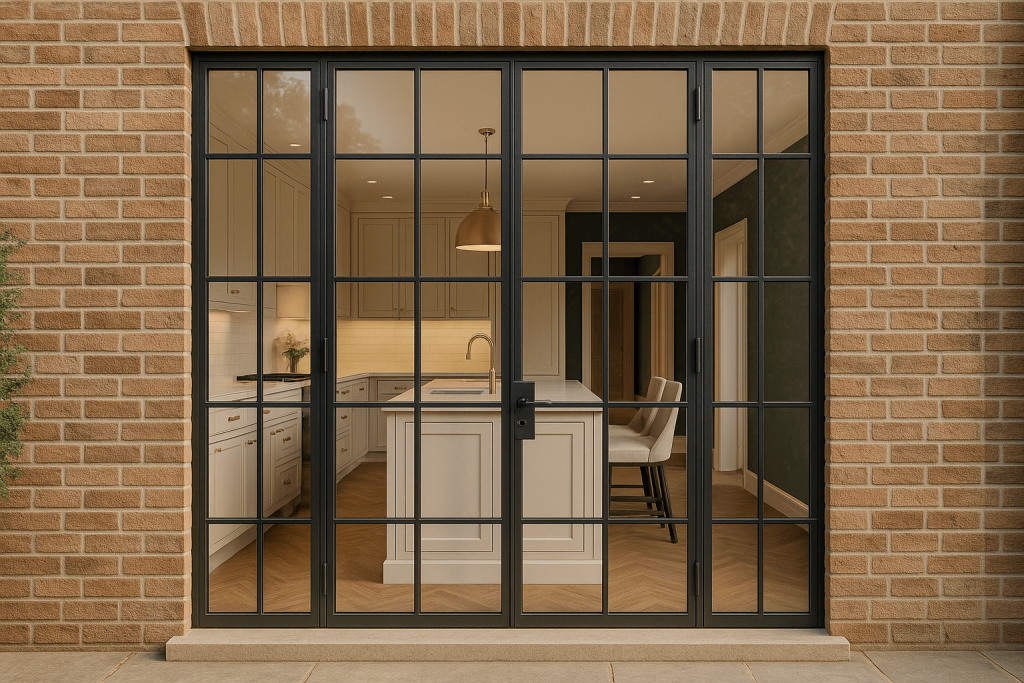
Grid proportions also influence the overall feel. Slimmer bars tend to look more contemporary, while traditional layouts sit comfortably in period homes. Matching internal glazing with external doors helps the extension feel cohesive rather than pieced together.
USING CRITTALL ELSEWHERE IN THE HOME
This framed glass look is not limited to rear extensions. Many homeowners now use it internally to improve flow and light throughout the house.
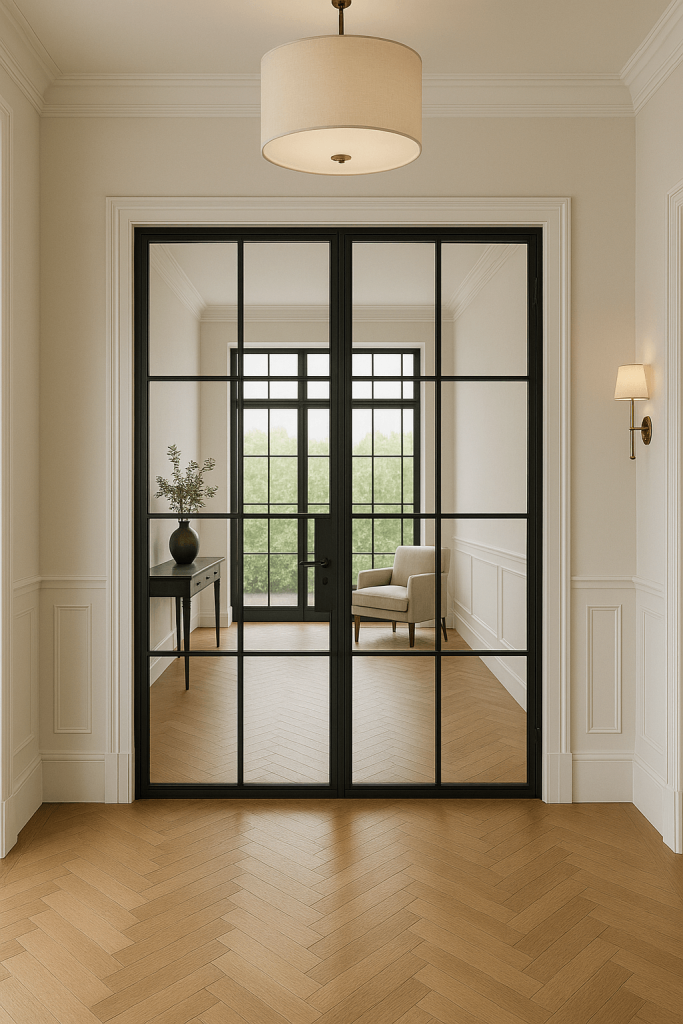
Home offices benefit from separation without feeling shut away. Utility rooms and pantries can be closed off while still borrowing light. Hallways and staircases often feel brighter and more welcoming with glazed partitions.
DESIGNED AROUND HOW YOU LIVE
Beyond its architectural appeal, Crittall glazing adds genuine flexibility to everyday life. Doors can be opened fully when entertaining, creating a sense of flow between spaces. When quieter moments are needed, they can be closed to retain warmth and reduce noise. In extensions that combine kitchen, dining, and living areas, this adaptability makes the space easier to live with long-term.
It’s not just about how the extension looks when it’s finished, but how it functions years down the line.
COST, VALUE, AND LONG-TERM APPEAL
Crittall-style glazing is often seen as a premium choice, and it’s true that it typically costs more than standard internal doors or partitions. However, when used in the right place, it tends to deliver value beyond its initial price.
Because it forms part of the architecture rather than a decorative finish, it can make an extension feel more considered and high-quality. For many buyers, especially in well-established areas like South West London, this attention to detail can make a noticeable difference when it comes to overall appeal.
It’s also a feature that ages well. Unlike trend-led finishes that may date, this style of glazing has a timeless quality that suits both period homes and contemporary extensions. When specified properly and installed as part of a wider renovation, it’s an investment in how the home functions as much as how it looks.
For homeowners planning to stay long term, that balance of practicality and longevity is often what makes it worthwhile.
PLANNING RIGHT FROM THE START
As with most elements of an extension, glazed partitions work best when considered early on. Structural openings, steelwork, and floor levels all need to align to achieve clean lines and proper support.
When your builder, designer, and glazing supplier are involved from the outset, the result feels intentional rather than added on later.
If you’re planning an extension and want advice on whether Crittall glazing is right for your home, our team is happy to talk it through. Getting the details right early makes all the difference once work begins.
Images featured in this article are illustrative and used for inspiration purposes only.
