
As homeowners in South West London seek to blend style with sustainability, flooring choices have come under renewed scrutiny. An increasing number are turning to natural materials to create interiors that are both chic and environmentally responsible. Sisal flooring, in particular, has emerged as a preferred alternative to traditional carpeting. But what’s driving this shift? Let’s explore the benefits of sisal and why it might be the perfect fit for your home extension or renovation.
WHAT IS SISAL FLOORING?
Sisal is an organic fibre derived from the leaves of the Agave sisalana plant, which is primarily grown in Brazil and East Africa. Renowned for its strength, it’s spun into yarn and woven into textured carpets or rugs. Typically beige or creamy white, this material offers a neutral base that works well in various interior styles—from pared-back Scandi schemes to more classic British homes.
THE ECO-FRIENDLY APPEAL
Sustainability is no longer a secondary consideration—it’s central to how many of us make decisions about our homes. Sisal is a renewable resource, with the agave plant regenerating quickly after harvesting. It’s also biodegradable and, unlike some carpets, doesn’t rely on synthetic production processes that often involve harsh chemicals.
Crucially, this floor covering emits no volatile organic compounds (VOCs), making it a healthier choice for indoor air quality. For homeowners looking to lower their carbon footprint and reduce toxins in the home, it’s a strong, responsible option.
DURABILITY THAT WITHSTANDS DAILY LIFE
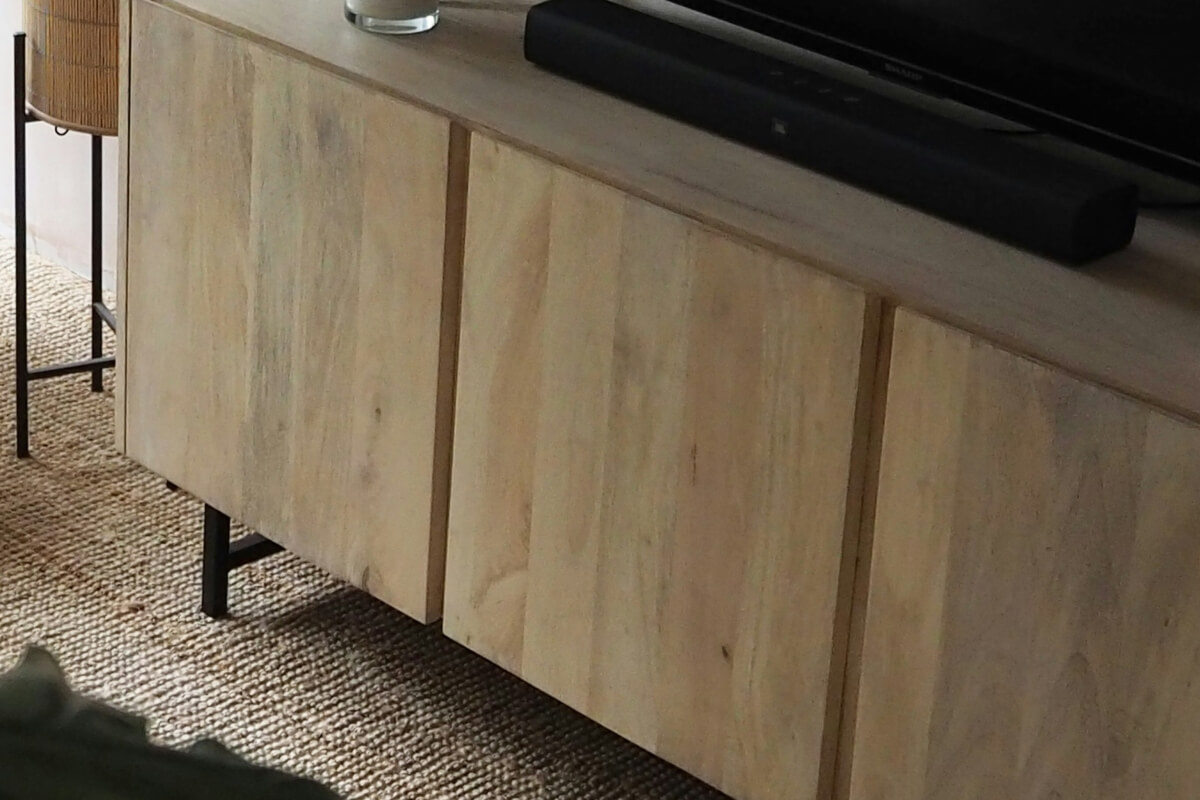
Sisal is one of the most durable flooring options available. The fibres are exceptionally tough, which makes it particularly well-suited to high-traffic areas such as stairs, landings, and living rooms. Unlike some carpets that flatten or pill over time, this sustainable, woven carpet maintains its structure and appearance for years with the proper care.
SISAL VS OTHER NATURAL FIBRES
When weighing up eco-friendly flooring options, it’s helpful to understand how sisal compares to similar materials.
- Jute is softer and has a silkier texture, but it’s less hard-wearing and prone to staining—better suited to bedrooms or low-use spaces.
- Seagrass has a slightly waxy texture and is more resistant to water, but its sheen and greenish tint aren’t to everyone’s taste.
- Coir (made from coconut husks) is very robust, but it has a much rougher, rustic look and feel.
Agave-based carpet sits comfortably in the middle: elegant, neutral, and long-lasting—ideal for refined interiors that need a practical edge. At Kluk, we often recommend woven fibre flooring to clients who want a smart, textural finish that will hold up over time.
CUSTOMISING THE LOOK – WEAVES, BORDERS, AND RUGS
Sisal’s grounded colour may be subtle, but that doesn’t mean it lacks design potential. From the way it’s woven to how it’s edged, there are plenty of ways to tailor the final look:
- Weaves: A herringbone weave can add a touch of formal structure, while a finer bouclé weave feels more delicate and textural.
- Edging options: When used as a rug, it can be bordered in cotton, linen, or faux leather for contrast and polish.
- Colour tones: Although most remain undyed for that classic neutral appearance, some variants come in darker or warmer tones for a more grounded look.
Whether fitted wall-to-wall or used as a made-to-measure rug to zone open-plan living spaces, this material adds quiet character.
AESTHETIC VERSATILITY
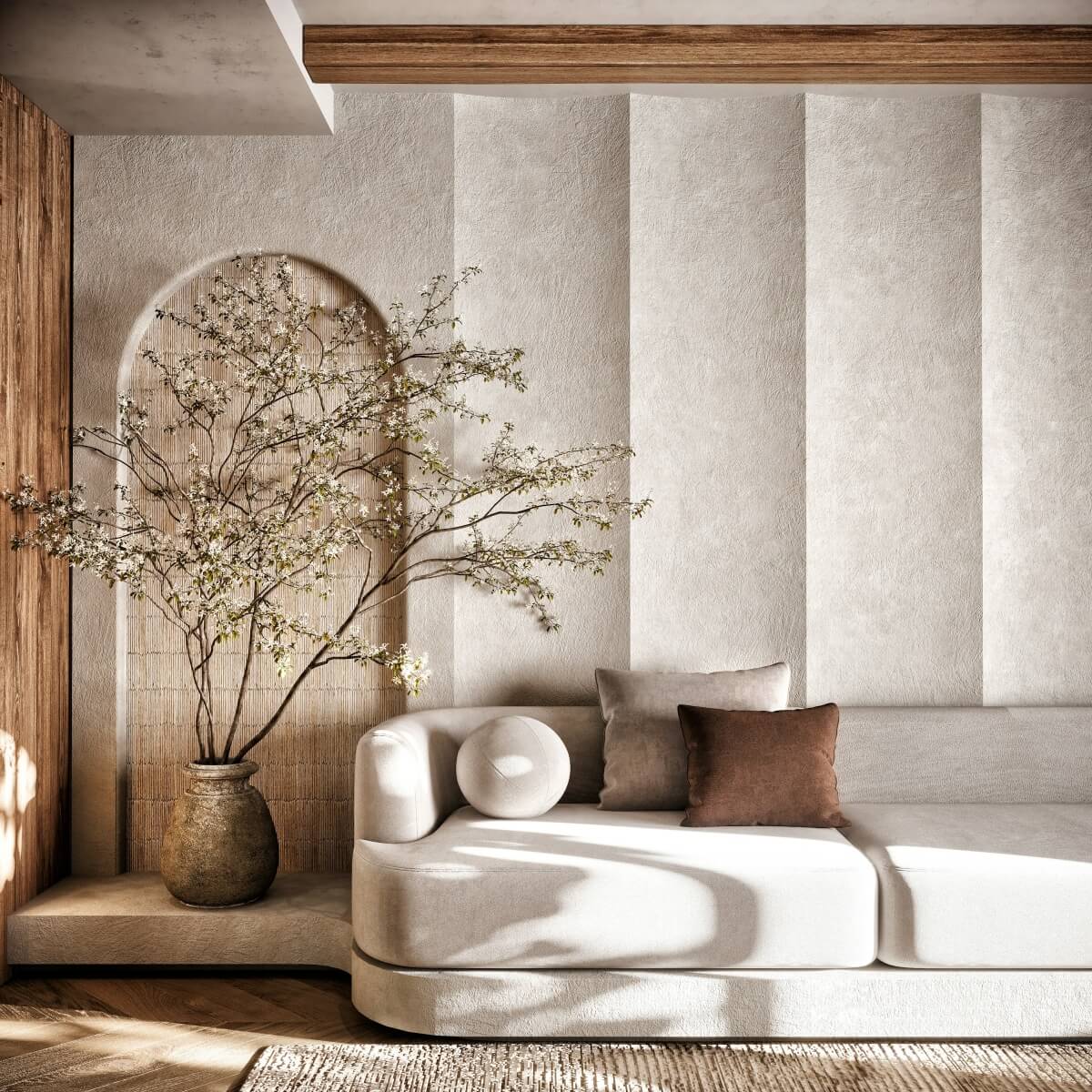
Sisal’s understated texture complements a wide range of interiors. In more minimalist or contemporary spaces, it adds warmth and tactility. In period homes, it provides a clean, natural contrast to heritage features like cast-iron radiators, cornicing, or original woodwork.
Its visual simplicity allows other design elements—like furniture, luxury ironmongery, joinery, or lighting—to take centre stage. Think of it as the architectural equivalent of a high-quality canvas: restrained, elegant, and supportive.
HYPOALLERGENIC PROPERTIES
Traditional carpets can harbour allergens, dust, and pet dander, especially if they have a deep pile. Sisal’s tight, dense weave is naturally dust-resistant and doesn’t trap particles in the same way, making it a sound choice for allergy-prone households. Plus, the absence of synthetic backing or treatments means no off-gassing or chemical fumes.
MAINTENANCE CONSIDERATIONS
Sisal is durable, but it does require a little more care than synthetic carpets. Because it’s pretty absorbent, spills should be dealt with immediately—blot, don’t scrub—to avoid stains. It’s best kept out of kitchens or bathrooms, where humidity or moisture could cause warping or weakening of the fibres.
A few extra tips:
- Vacuum regularly using a brushless suction head to prevent snagging or distortion of the weave.
- Allow the flooring to acclimate in the room for at least 48 hours before installation, especially in homes with underfloor heating or fluctuating humidity.
- Consider applying a stain-guard spray for added stain resistance in busier family homes.
At Kluk, we always walk clients through care recommendations to ensure their flooring choice suits their lifestyle.
COMFORT AND UNDERFOOT FEEL
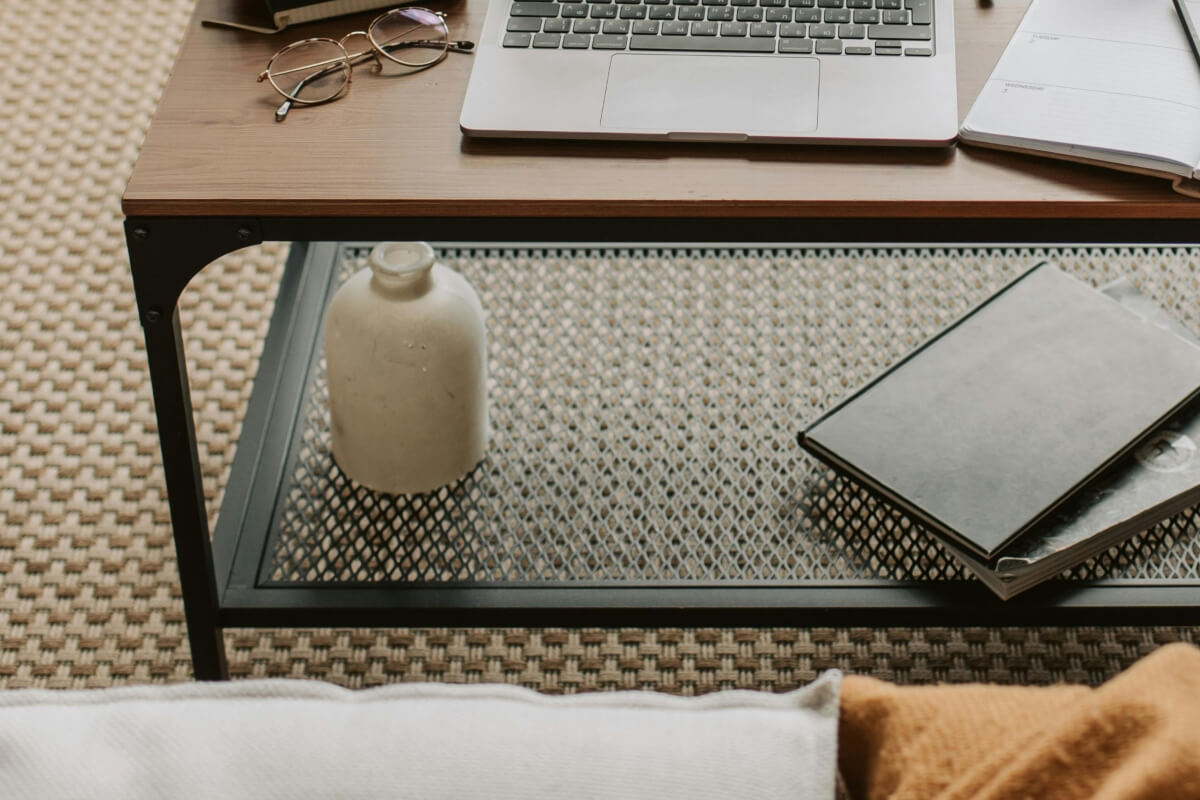
Sisal has a naturally firm underfoot feel, which some homeowners find grounding and satisfying, almost like a subtle foot massage. However, it’s not plush, so it may not suit those who prefer a cushioned surface.
That said, you can soften things up:
- Layer plant-based flooring with a wool runner or soft area rug in living rooms or bedrooms.
- Opt for a blend—some modern versions incorporate wool or soft fibres to improve comfort while maintaining structure.

COST IMPLICATIONS
While this woven material may have a slightly higher upfront cost than entry-level synthetic carpeting, its wear-resistance means it lasts longer, especially in heavy-use areas. Plus, it offers a timeless look that won’t date or fade with changing trends, adding value to your home without regular updates.
SISAL IN SOUTH WEST LONDON HOMES
From Victorian terraces to bright modern apartments, this woven fibre flooring suits the rich architectural mix across South West London. Its organic, muted texture complements original features like fireplaces and cornicing without overpowering them, while its slim profile is ideal for narrow staircases and busy hallways.
We often recommend this smart alternative for high-traffic areas, home offices, and living rooms—spaces where you want durability with an unprocessed, understated edge. Likewise, we’ve found it’s the perfect bridge between traditional character and modern refinement—a practical and aesthetic win for period and contemporary homes alike.
READY TO SWITCH TO SISAL FLOORING?
The growing popularity of eco-conscious flooring reflects a broader shift in homeowner priorities: toward low-emission materials, healthier interiors, and investment pieces that combine function and beauty. If you’re considering a flooring update, this option offers a stylish alternative to traditional carpets, especially when installed with care and attention to detail.
At Kluk Construction, we specialise in high-quality installations of natural materials like sisal, tailored to your home and lifestyle. Contact us today to learn how we can enhance your renovation with durable, textured flooring that adds lasting style and practicality to your space.
All images featured in this post are stock photos intended for illustrative use only.
