Planning a House Extension in South West London This Autumn?

Why the Best Extensions Begin with Good Planning

As the summer holidays slowly come to an end, many homeowners across South West London start looking at their homes with fresh eyes.

The kitchen suddenly feels a little too small. The children need more space. Working from home has become part of everyday life. Or perhaps you’ve simply decided it’s finally time to invest in the home you already love.

This is also the time of year when I start having more conversations about house extensions.

Not because people think building work stops over winter—it doesn’t. Professional construction projects continue throughout the year.

The biggest misconception about a house extension isn’t the construction itself.

It’s everything that happens beforehand.

One thing I’ve learned over the years is that homeowners rarely underestimate how long the building work will take.

They underestimate the preparation.

Before the first shovel goes into the ground, there may be measured surveys, architectural drawings, planning permission or permitted development checks, structural calculations, budgeting, and dozens of decisions that will influence the success of the entire project.

That’s why I always encourage homeowners not to think of autumn as “too late”.

Some projects are ready to begin on site straight away because the drawings, approvals and budget are already in place. Others are only just at the ideas stage and need time for careful planning before construction can begin. Both approaches are perfectly normal.

The important thing is making good use of the months ahead. Whether your extension starts this autumn or next spring, good preparation almost always leads to a smoother build, fewer surprises and better decisions throughout the project.

In this article, I’d like to share the advice I give homeowners every autumn when they’re deciding whether now is the right time to start planning a house extension.

Autumn doesn’t mean construction has to stop

One of the biggest misconceptions is that builders simply stop working when the weather changes.

Professional building projects continue throughout autumn and winter.

The difference is that successful projects are planned around the season rather than fighting against it.

Foundations, structural work, steel installation and internal construction can all progress during colder months when properly organised.

The weather rarely stops a well-planned project. Poor preparation does.

It’s preparation.

Before anyone starts digging, there is plenty to do

One of the biggest surprises for many homeowners is just how much happens before construction begins. In reality, the success of your extension is often determined long before the first foundations are dug.

Depending on your project, you may need to consider:

  • Measured surveys to accurately capture your existing property.
  • Architectural drawings that turn your ideas into a buildable design.
  • Planning permission or confirmation that your project falls under Permitted Development.
  • Structural calculations to ensure the extension is safe and complies with Building Regulations.
  • Party Wall Agreements, if your work affects neighbouring properties.
  • Building Control approvals before key stages of construction begin.
  • Thames Water Build Over Agreements, if you’re building near or over a public sewer.
  • Tree surveys or tree removal permissions, especially if mature trees are close to the proposed extension or protected by a Tree Preservation Order (TPO).
  • A realistic budget, including a contingency for unexpected discoveries once work starts.

But there’s another part of the preparation that’s often overlooked—and it can make the entire project much smoother.

Speak to Your Builder Early

Many homeowners wait until they have completed drawings before speaking to a builder.

In my experience, an early conversation can save both time and money.

A builder can often identify practical challenges that aren’t immediately obvious, such as restricted access, drainage routes, structural complications or elements that could significantly affect the budget. Making small changes during the design stage is usually much easier and more cost-effective than changing plans once construction has started.

Keep Your Neighbours on Side

A house extension doesn’t just affect your home—it can temporarily affect the people living next door.

Even when a Party Wall Agreement isn’t required, I always encourage homeowners to have an early conversation with their neighbours. Letting them know what’s planned, how long the work is expected to take and what steps will be taken to minimise disruption helps build trust from the start.

A friendly conversation before work begins is often far more valuable than trying to resolve misunderstandings once construction is underway.

Marcin Kluk during tender process

In South West London, planning can take longer than people expect

One thing I’ve learned over the years is that homeowners often focus on the construction programme, but underestimate how long the planning and preparation stages can take.

Every borough works a little differently. Whether you’re in Wimbledon, Putney, Richmond, Kingston, Wandsworth or elsewhere in South West London, approval times and requirements can vary depending on the property and the type of extension you’re planning.

Victorian and Edwardian homes often require more detailed consideration, while conservation areas or properties affected by planning restrictions may take longer to progress.

To give you a realistic idea, here’s how a typical extension project can unfold before construction even begins.

Many of these stages can overlap, so good planning often shortens the overall programme.

Typical Pre-Construction Timeline

Initial consultation with your builder – 1–2 weeks

Measured survey & planning drawings – 2–6 weeks

Design development & revisions – 2–4 weeks

Planning application (if required) – around 8–12 weeks

Structural calculations – 1-3 weeks

Party Wall process (if required) – 0–6 months

Thames Water Build Over Agreement (if required) – 4-8 weeks

Final quotations & construction programme – 1-2 weeks

Building Control notification before work starts – 1 week

*These are typical timescales and can vary depending on the project, local authority and third-party approvals.

Choosing the Right Time to Start

Many homeowners ask whether they should wait until spring before starting an extension.

In my experience, the season matters far less than the preparation.

If everything is ready, construction can begin at almost any time of year. If it isn’t, use the coming months to complete the planning, approvals and design work properly.

The best time to start is when your project is well prepared—not simply when the calendar says spring.

What Happens Once Everything Is Ready?

Once the drawings are complete, approvals are in place and the project has been carefully planned, construction can begin with much greater confidence.

At this stage, materials are ordered, schedules are agreed and the team can focus on delivering the project rather than solving avoidable problems.

It’s also the right time to think about how you’ll live during the build.

For smaller rear extensions, many families choose to remain at home. Temporary kitchen facilities, careful phasing of the work and good communication can make this possible.

For larger extensions or whole-house refurbishments, moving out for part of the project is often the more practical option. While it may seem inconvenient, it can make the build safer, faster and less disruptive for everyone involved.

Every project is different, which is why we always discuss the construction programme and living arrangements with our clients before work begins, so there are no surprises once the build gets underway.

Side Return Extension Fulham - Hoarding Kluk Construction

Call us now

For a free quotation

My advice to homeowners considering an extension this autumn

Over the years, I’ve learned that the homeowners who enjoy the smoothest projects aren’t necessarily the ones with the biggest budgets. They’re the ones who give themselves enough time to plan properly.

Good preparation almost always leads to better decisions, fewer surprises and a less stressful build.

Whether your extension starts this autumn, over winter or next spring, don’t judge your progress by when the first digger arrives. Judge it by how well prepared you are before construction begins.

If this article helps you avoid just one unnecessary delay or one expensive mistake, then it’s done exactly what I hoped it would.

If you’re planning an extension in South West London and want practical advice before spending money on drawings or applications, I’m always happy to have an initial conversation.

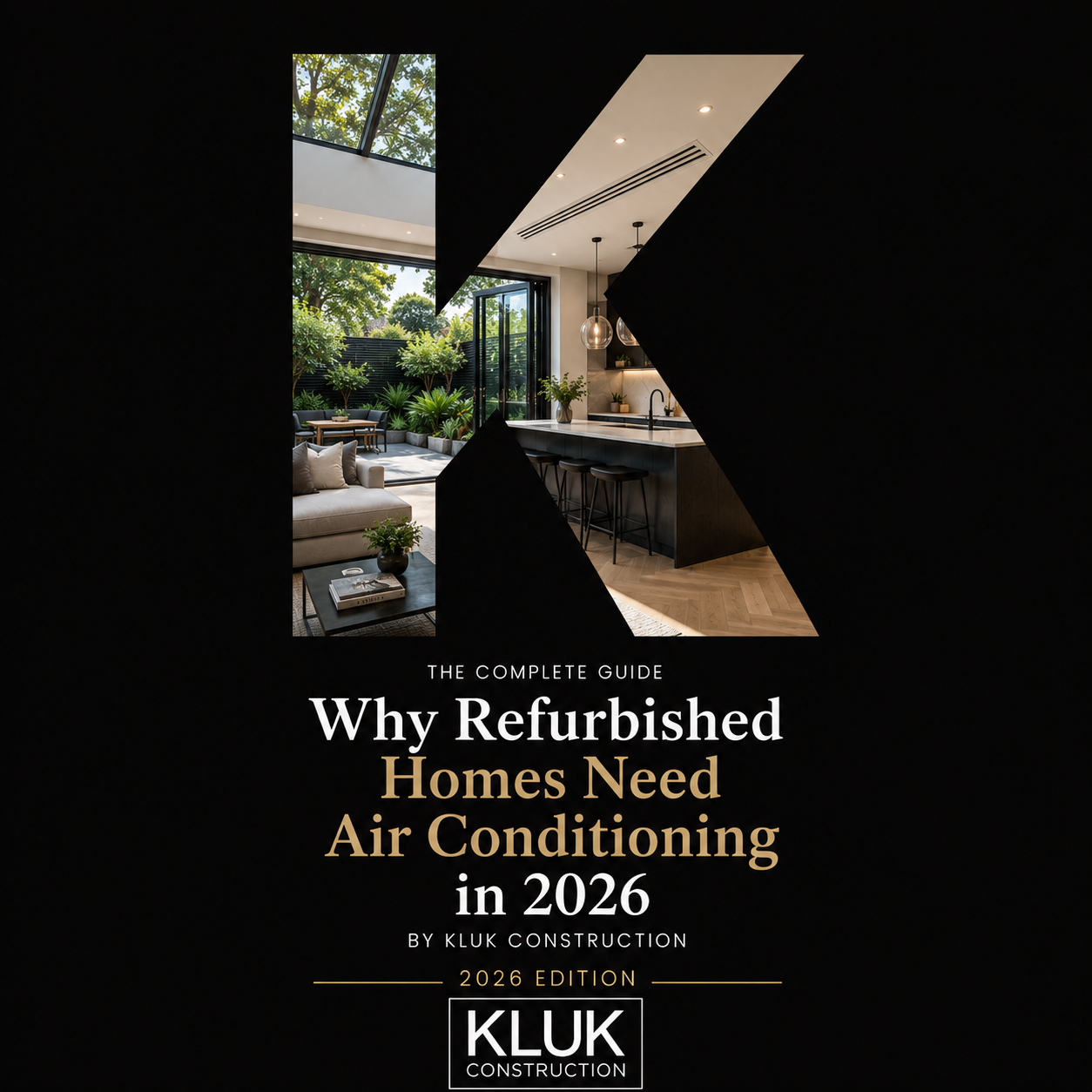
Cover of the guide "Why Refurbished Homes Need Air Conditioning in 2026" featuring a modern open-plan kitchen extension.

Common Questions Homeowners Ask

1. Is Autumn Too Late to Start Planning a House Extension?

Not at all. Many homeowners think they’ve missed their chance once summer ends, but that’s one of the biggest misconceptions I come across.

The preparation stage of an extension often takes several months. Starting in autumn gives you time to complete surveys, drawings, planning applications and technical approvals properly, whether you’re hoping to begin building later this year or next spring.


2. Which Stage of Planning Is the Most Unpredictable?

In my experience, the Party Wall Agreement is often the least predictable stage of planning a house extension.

Most parts of the pre-construction process have fairly typical timescales. Surveys, drawings, structural calculations and planning applications can usually be estimated within a reasonable range. Party Wall matters are different because they depend on people, not just paperwork.

I’ve worked on projects where neighbours knew each other well. We sat down over a cup of coffee, talked through the plans, answered a few questions and the agreement was signed within days.

I’ve also worked on projects where the neighbouring property was divided into several flats, owned by different landlords or investment companies. Some owners lived overseas, communication had to go through managing agents, and it took many months before everyone had responded.

Neighbours are also entitled to appoint their own independent Party Wall Surveyor. That’s completely normal, but it naturally adds more time to the process.

I remember one extension where the Party Wall process alone took more than 10 months. By the time everything was agreed, construction costs had changed enough that we had to prepare a completely new quotation before work could begin.

That’s why I always encourage homeowners to speak with their neighbours as early as possible. A friendly conversation before drawings are finalised or planning permission is granted can build trust, answer concerns and often make the formal Party Wall process much smoother for everyone involved.


3. When Should I Speak to a Builder?

Earlier than most people think.

Many homeowners contact a builder only after they have planning permission or completed drawings. I actually prefer speaking to clients much earlier.

An early discussion can identify potential construction challenges, highlight hidden costs, suggest practical alternatives and help avoid expensive design changes later. It also gives you a much clearer idea of realistic budgets before too much time has been invested.


4. Will We Need to Move Out During the Build?

That depends on the type of extension.

Many rear extensions can be completed while you continue living at home. We often create temporary kitchen facilities and carefully phase the work to minimise disruption.

Larger projects involving major structural alterations or whole-house refurbishments may require moving out for part of the build. This is something I always discuss during the planning stage so homeowners can prepare well in advance.


5. Can an Extension Really Be Finished Before Christmas?

Sometimes—but it depends on how prepared the project is.

If planning permission is already in place, drawings are complete and all approvals have been secured, smaller extensions may reach completion before Christmas.

However, larger projects or those still waiting for planning approval, Party Wall Agreements or technical information are unlikely to be finished by then.

Rather than chasing an artificial deadline, I always encourage homeowners to focus on delivering the project properly. A few extra weeks is far better than rushing important decisions or compromising quality.


6. What’s the Most Costly Mistake Homeowners Make During an Extension?

One of the most expensive mistakes I see is making major design or scope changes once construction has started.

What may seem like a simple adjustment—moving a wall, changing the kitchen layout or adding a rooflight—often affects much more than one part of the project. It can mean revised drawings, reordered materials, rescheduled trades and additional labour, all of which increase both costs and timescales.

That’s why I always encourage homeowners to make as many decisions as possible before work begins.

The cheapest time to make changes is while they’re still on the drawings. The most expensive time is when they’re already being built.


7. What’s the Most Time-Consuming Part for Homeowners?

Many people assume it’s the construction.

In reality, it often comes down to coordination.

Speaking to architects, engineers, Building Control, suppliers, neighbours and different trades all takes time. If you’re managing the project yourself, you’ll also be responsible for organising schedules, solving unexpected issues and keeping everyone working together.

Many homeowners enjoy being closely involved, while others prefer to appoint a contractor who manages the entire process from start to finish.

There’s no right or wrong approach—it depends on how much time you can realistically dedicate to the project.

Read our guide: Do You Want to Build an Extension – or Manage One?


8. What’s One Feature Homeowners Often Wish They’d Included?

From my experience, it’s air conditioning.

Many clients initially see it as an unnecessary extra, but after living in their new extension through a warm summer, they often wish they’d planned for it from the beginning.

Even if you decide not to install it, I’d always recommend discussing it during the design stage, when it’s far easier and more affordable to include.

Read our guide: Why Refurbished Homes Need Air Conditioning in 2026

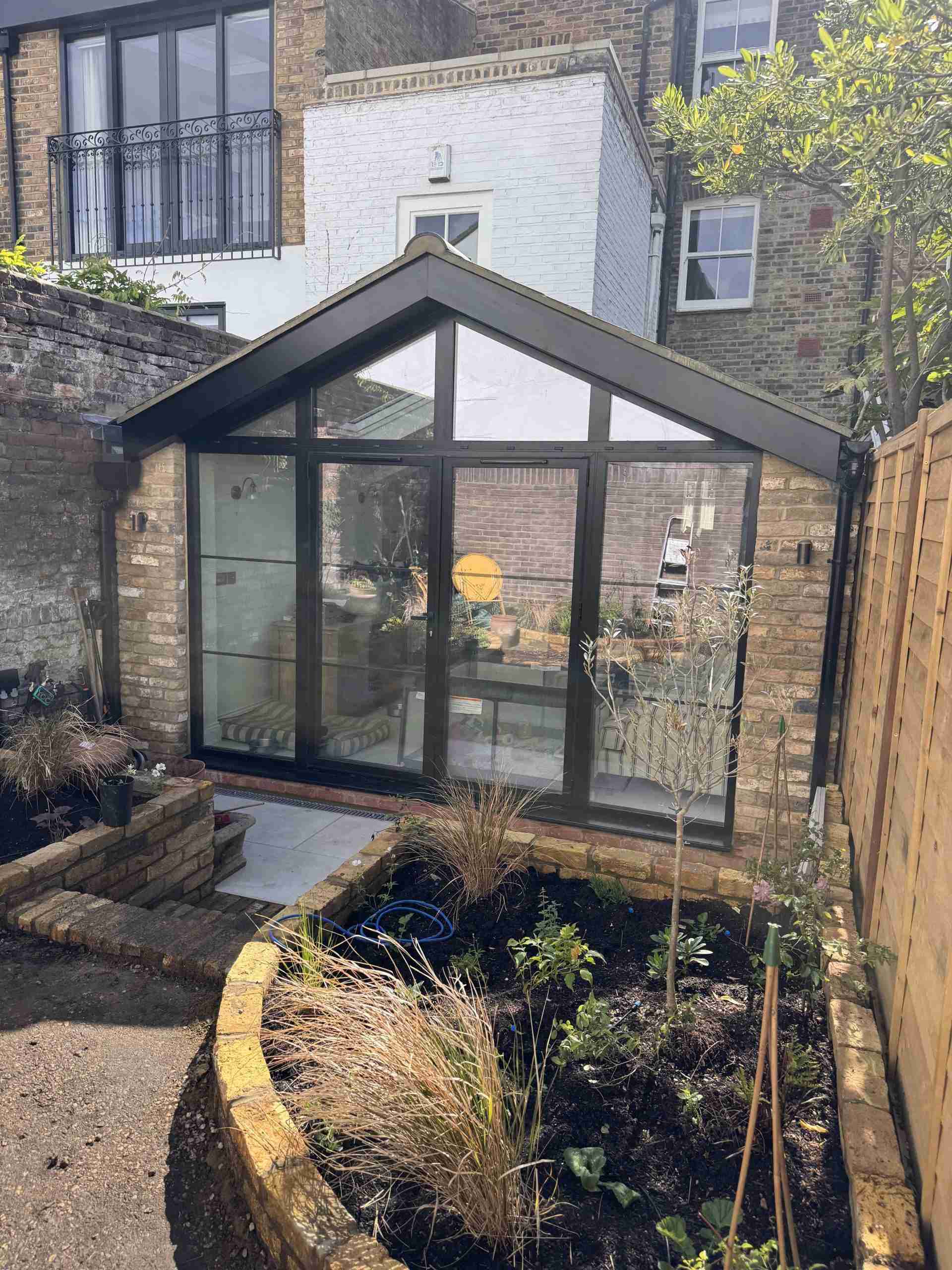
Project-led kitchen extension in Barnes by Kluk Construction

author avatar
Marcin Kluk Founder & Director
Marcin Kluk is the founder of Kluk Construction, specialising in full house refurbishments, home renovations, extensions, and residential construction projects across South West London. With over 15 years of experience in the UK construction industry, he is known for quality craftsmanship, reliable project management, and attention to detail.